
In times of crisis — whether it’s a major hurricane, widespread power outage, flooding, energy supply disruptions, or other emergencies — every second and every tool counts. Traditional gas-powered equipment often struggles due to fuel shortages, while manual tools can be slow and exhausting. This is where electric products, especially modern cordless power tools, portable power stations, and battery-powered solutions, shine as reliable lifesavers.
From clearing debris after a storm to repairing infrastructure, preserving food, or staying connected, electric tools and devices offer speed, portability, safety, and independence when the grid fails or resources become scarce. Here’s why they are among the smartest investments for preparedness in 2026.
1. Independence from Fuel Supply Chains (Critical During Energy Crises)
Global events, including conflicts and supply disruptions, frequently cause fuel shortages or skyrocketing prices. Gas-powered generators and tools require gasoline, diesel, or propane — resources that can quickly run out or become unavailable during widespread emergencies.
- Cordless electric tools run on rechargeable batteries (no fuel needed once charged).
- You can recharge them via solar panels, car chargers, or portable power stations when the main grid is down.
- This eliminates dependency on gas stations, which often close or run dry during disasters.
In an energy crisis or prolonged blackout, battery-powered angle grinders, impact wrenches, reciprocating saws, and drills keep working without the need to hunt for scarce fuel.
2. Portability and Mobility — Work Anywhere, Anytime
Crisis situations rarely happen in convenient locations. You may need to clear fallen trees on a roof, cut through debris in tight spaces, or repair damage in remote or flooded areas.
- Cordless power tools have no trailing cords or hoses, eliminating trip hazards and allowing full freedom of movement.
- Lightweight designs make them easy to carry to elevated spots, confined areas, or across unstable terrain.
- Many models from brands like DeWalt, Milwaukee, and Makita include bright LED lights for working in the dark — a common reality after storms knock out power.
Compared to bulky gas tools or corded electric ones limited by extension cords and outlets, cordless electric products let first responders, homeowners, and volunteers move quickly and safely.
3. Safety Advantages in Chaotic Environments
Safety becomes paramount when conditions are wet, dark, or unstable:
- No risk of carbon monoxide poisoning (a major danger with gas generators used indoors or improperly).
- No flammable fuel storage worries.
- Reduced trip hazards from cords.
- Many modern cordless tools feature electronic brakes, overload protection, and anti-kickback systems that activate instantly.
In flooded or rainy conditions, cordless tools avoid the electrical shock risks associated with damaged cords or wet outlets. This makes them ideal for emergency cleanup and repair work.
4. Quick Deployment and Efficiency for Emergency Repairs
Time is critical in crises. Electric products help restore normalcy faster:
- Impact wrenches quickly remove or tighten bolts on damaged structures or vehicles.
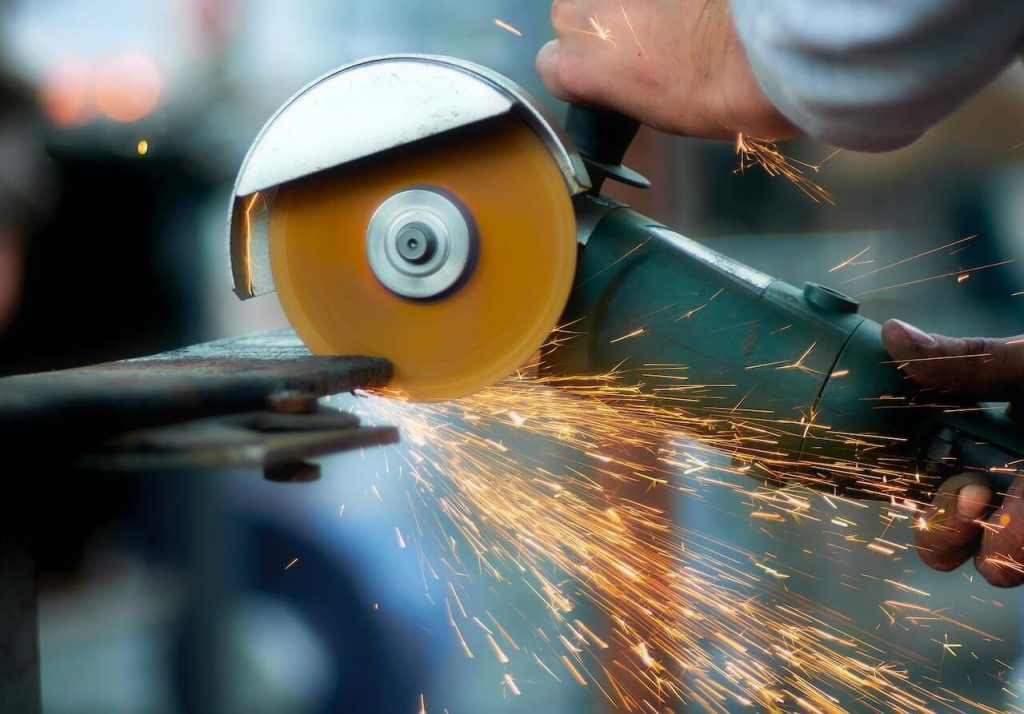
- Angle grinders cut through metal, rebar, or concrete for rescue operations or debris removal.
- Reciprocating saws (Sawzalls) slice through wood, branches, or drywall with minimal effort.
- Cordless drills and drivers speed up boarding up windows, securing tarps, or building temporary shelters.
Brushless motors in 2026 models deliver high torque and runtime, allowing sustained work even on a single battery charge. Swapping batteries (or using high-capacity ones) keeps productivity high without long downtimes.
5. Supporting Essential Survival Needs
Electric products go far beyond heavy-duty tools:
- Portable power stations (like EcoFlow or similar) keep refrigerators running to prevent food spoilage, power medical devices (CPAP machines, oxygen concentrators), charge phones for communication, and run lights or fans.
- Solar-compatible chargers and battery ecosystems maintain connectivity with radios, weather alerts, and emergency services.
- Electric lighting, fans, and small appliances improve comfort and morale during long outages.
Households with electric backup solutions often fare better in preserving food, staying informed, and maintaining health during extended blackouts.
6. Cost-Effectiveness and Long-Term Reliability
While the upfront cost of quality cordless tools and batteries can be higher, they pay off in crises:
- No ongoing fuel expenses.
- Lower maintenance (no oil changes, spark plugs, or carburetor cleaning like gas tools).
- Batteries and tools from major platforms are interchangeable across multiple devices, building a versatile ecosystem over time.
- In repeated emergencies (increasingly common with extreme weather), the same set of tools serves year after year.
Many users report that investing in a solid 20V/40V/60V battery platform plus key tools (angle grinder, impact wrench, saw) creates a powerful emergency kit that also gets daily use.
7. Environmental and Noise Benefits
In dense neighborhoods or shelters, quieter electric tools reduce stress on families and communities. They also produce zero emissions during use, which matters when air quality is already compromised by wildfires or debris.
Real-World Crisis Scenarios Where Electric Products Excel
- Hurricanes & Storms: Clearing roads, cutting storm-damaged trees, securing property.
- Power Grid Failures: Running essential appliances via portable stations while using cordless tools for repairs.
- Flooding or Earthquakes: Working in wet or unstable areas without fuel or cord risks.
- Wildfires: Quick debris management and infrastructure fixes in remote zones.
- Energy Supply Disruptions: Maintaining basic functions without relying on scarce fossil fuels.
Prepared individuals and communities equipped with electric solutions recover faster and with fewer health/safety incidents.
Building Your Electric Crisis-Ready Kit (Recommendations for 2026)
- Core Cordless Tools: 1/2″ impact wrench, 4-1/2″ or 5″ angle grinder, reciprocating saw, drill/driver combo.
- High-Capacity Batteries: At least two 5–8Ah batteries per tool platform, plus a charger.
- Portable Power Station: For charging tools and running home essentials.
- Solar Option: Foldable solar panels for recharging during long outages.
- Accessories: Impact-rated sockets, extra discs/blades, safety gear (gloves, goggles, dust masks).
Stick to established brands with strong ecosystems (DeWalt 20V/60V FlexVolt, Milwaukee M18 FUEL, Makita 40V XGT) for reliability and parts availability.
Final Thoughts: Prepare with Electric Products Today
Crisis moments expose vulnerabilities in traditional systems. Electric products — particularly cordless power tools and portable energy solutions — provide autonomy, safety, speed, and versatility when it matters most. They reduce reliance on fragile supply chains and help individuals, families, and communities respond effectively and recover stronger.
As extreme weather and energy challenges continue in 2026, building an electric toolkit is no longer a luxury — it’s practical preparedness.
Explore our in-depth guides and reviews on ElectricCounselor.com:
- Best Cordless Impact Wrenches for Tough Jobs
- Corded vs Cordless Angle Grinder: Which Wins in Emergencies?
- Portable Power Stations Buying Guide
- Impact Wrench Buying Guide
What kind of crisis scenarios are you most concerned about (storms, blackouts, etc.)? Share in the comments or contact us — we can help recommend the right electric products for your needs.