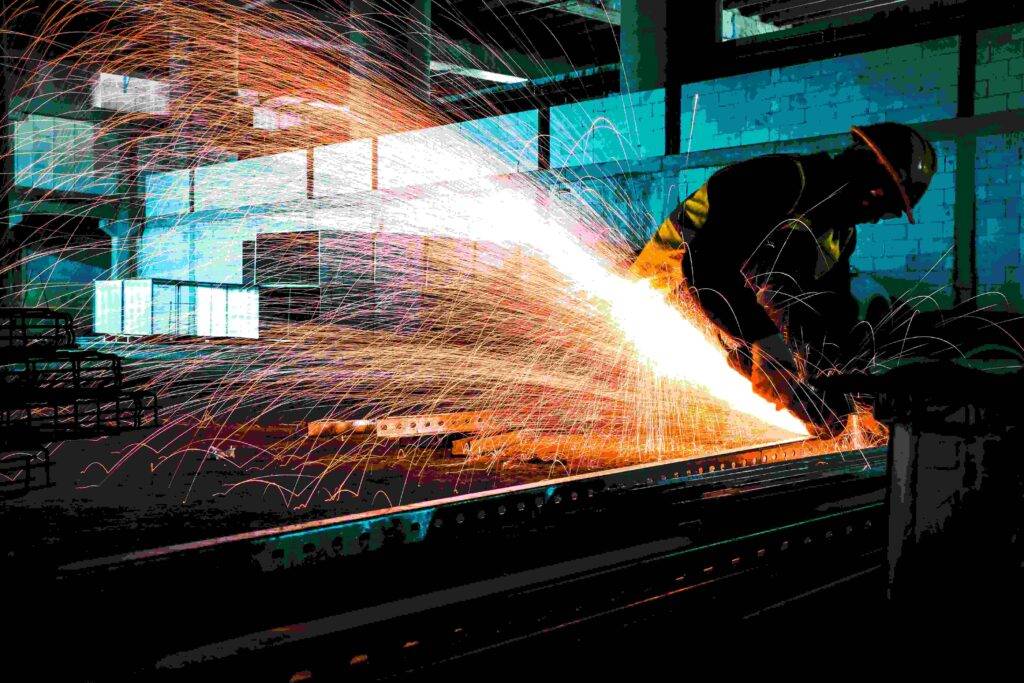
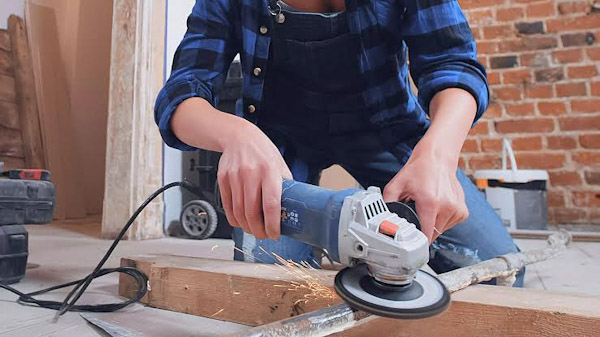
Angle grinders are among the most versatile power tools in any American garage, workshop, or job site. Whether you’re cutting rebar, grinding welds, sharpening blades, polishing metal, or tackling concrete, the right grinder makes the job faster and safer.
But one of the biggest decisions buyers face in the USA is: corded or cordless?
In 2026, cordless angle grinders have closed the performance gap dramatically thanks to high-voltage platforms (20V, 40V, and 60V systems), brushless motors, and smarter electronics. Yet corded models still dominate for heavy, continuous work. This guide breaks down the real differences in power, runtime, cost, weight, safety, and real-world use so you can choose the best angle grinder for your needs.
How Angle Grinders Work (Quick Recap)
An angle grinder spins abrasive discs (4-1/2″, 5″, 6″, 7″, or 9″ sizes are most common in the USA) at high speeds — typically 8,500–12,000 RPM. The spinning disc cuts, grinds, or polishes materials like metal, masonry, tile, and wood. Safety features like paddle switches, kickback protection, and electronic brakes are now standard on premium models.
Corded vs Cordless Angle Grinder: Head-to-Head Comparison
Here’s a clear side-by-side breakdown based on 2026 performance data:
| Feature | Corded Angle Grinder | Cordless Angle Grinder | Winner (2026) |
|---|---|---|---|
| Power Output | Consistent 1,200–2,500W (7–15 Amp) | 800–2,000W equivalent (depends on battery & voltage) | Corded (for sustained heavy loads) |
| Runtime | Unlimited (as long as plugged in) | 15–45 minutes per battery (heavy grinding) | Corded |
| Portability | Limited by cord & extension cord length | Excellent – no cords, ideal for job sites | Cordless |
| Weight | Lighter body (4–6 lbs) but cord adds hassle | Heavier (5–8+ lbs with battery) | Corded (body only) |
| Initial Cost (USA) | $80–$200 for good 4-1/2″ or 5″ models | $150–$450+ (bare tool) + batteries/charger | Corded |
| Long-term Cost | Very low (just electricity + discs) | Higher (batteries need replacement every 3–5 years) | Corded |
| RPM & Cutting Speed | Often higher & more consistent (10k–12k RPM) | Very close now, especially 40V/60V models | Tie / Slight edge to Corded |
| Best For | Workshop, garage, long continuous jobs | Mobile work, outdoors, tight spaces, quick tasks | Depends on your use |
Key Takeaway: Corded grinders win on raw, uninterrupted power and value. Cordless wins on convenience and freedom of movement.
Pros & Cons of Corded Angle Grinders (USA Perspective)
Pros:
- Unlimited runtime — perfect for grinding welds all day or cutting pipe in a fixed shop.
- Generally more powerful and consistent under heavy load (no battery fade).
- Lower upfront and long-term cost — a solid DeWalt or Metabo HPT corded model often costs half as much as a comparable cordless kit.
- Lighter tool body (no heavy battery hanging off the handle).
- Widely available and proven reliability.
Cons:
- Cord management can be annoying — tripping hazard, limited reach without a good extension cord.
- Not ideal for rooftops, scaffolding, or remote job sites without power access.
- Less convenient for quick jobs around the house or yard.
Popular corded models in the USA (2026):
- DeWalt DWE402 / DWE43116 (11–13 Amp) — reliable workhorse.
- Metabo HPT models with AC brushless motors — excellent safety features.
- Bosch and Makita corded options for variable speed or heavy-duty needs.
Pros & Cons of Cordless Angle Grinders
Pros:
- True cord-free freedom — move anywhere on a job site, roof, or field.
- Faster setup and teardown.
- Many now include advanced safety: electronic kickback control, auto-brake, overload protection, and variable speed.
- Brushless motors deliver impressive power, especially on 40V (Makita XGT) or 60V (DeWalt FlexVolt) platforms.
- If you already own batteries from DeWalt 20V, Milwaukee M18, or Makita 18V, adding a grinder is cheap (bare tool only).
Cons:
- Runtime is limited — heavy grinding can drain a 5–8Ah battery in 15–30 minutes.
- Heavier overall due to the battery.
- Higher total cost if you don’t already have compatible batteries and a charger.
- Power can drop as the battery discharges (though smart electronics help mitigate this).
Top cordless performers in the USA right now:
- Milwaukee M18 FUEL 2880-20 or 2886-20 (braking grinder) — often praised for power and features.
- DeWalt 20V MAX XR (DCG413B) or higher-voltage models.
- Makita 40V XGT series — strong runtime and smooth operation.
- Premium options like Hilti Nuron for pros who want maximum durability.
Who Should Buy Which Type? (Real-World USA Scenarios)
- Home DIYers & Garage Warriors — Start with a corded 4-1/2″ or 5″ grinder (around $100). You’ll get more power for the money and won’t run out of juice mid-project.
- Mobile Contractors & Tradespeople — Go cordless, especially if you already have a 18V/20V battery ecosystem. The convenience on rooftops, in attics, or across large sites is worth the premium.
- Serious Fabricators or Welders — Corded for all-day grinding and cutting without stopping to swap batteries.
- Occasional Users — Corded is usually the smarter, cheaper choice.
- Professionals with Mixed Jobs — Many keep both: a corded shop grinder and a cordless for fieldwork.
Pro Tip for USA Buyers: Check voltage compatibility. Most cordless angle grinders run on standard 120V household power for charging. For big jobs, consider models that accept high-capacity batteries (6Ah–12Ah) or multiple batteries in rotation.
Safety Considerations (Critical in Both Types)
- Always use properly rated discs (check RPM rating on the disc).
- Wear eye protection, hearing protection, dust mask/respirator, and gloves.
- Look for tools with paddle switch (safer than slide switch), electronic brake, and kickback protection.
- Corded models: Use heavy-duty extension cords (12–10 gauge) and avoid daisy-chaining.
- Cordless models: Modern brushless versions often have better overload protection.
Cost Breakdown in the USA (2026 Prices)
- Good corded 4-1/2″ grinder: $80–$180.
- Bare-tool cordless 4-1/2″ grinder: $150–$300.
- Full cordless kit (tool + 2 batteries + charger): $250–$500+.
- Replacement high-capacity battery: $80–$150 each.
If you plan to use the grinder more than a few times a year, factor in battery replacement costs for cordless.
Final Recommendation: Corded or Cordless in 2026?
- Choose corded if you value maximum power, unlimited runtime, and best bang-for-buck — especially for workshop or stationary heavy use.
- Choose cordless if mobility and convenience matter most, or if you’re already invested in a major battery platform (DeWalt, Milwaukee, or Makita).
Many serious users in the USA end up owning both — a reliable corded grinder for the garage and a cordless one for everything else.
Ready to Buy? Check our in-depth reviews here on ElectricCounselor.com:
- Best Cordless Angle Grinders of 2026
- Best Corded Angle Grinders of 2026
- DeWalt vs Milwaukee vs Makita Angle Grinder Comparison
Have a specific project in mind (metal fabrication, concrete work, automotive, etc.)? Tell us your typical use case, budget, or whether you already own batteries — and we’ll help narrow it down further.