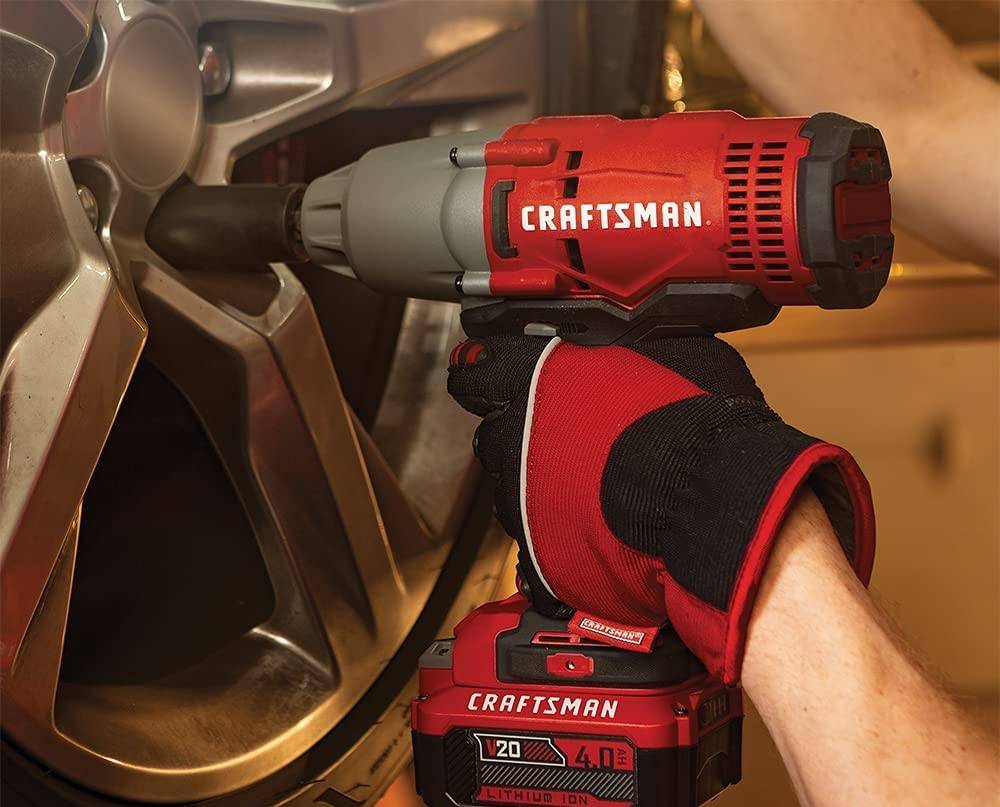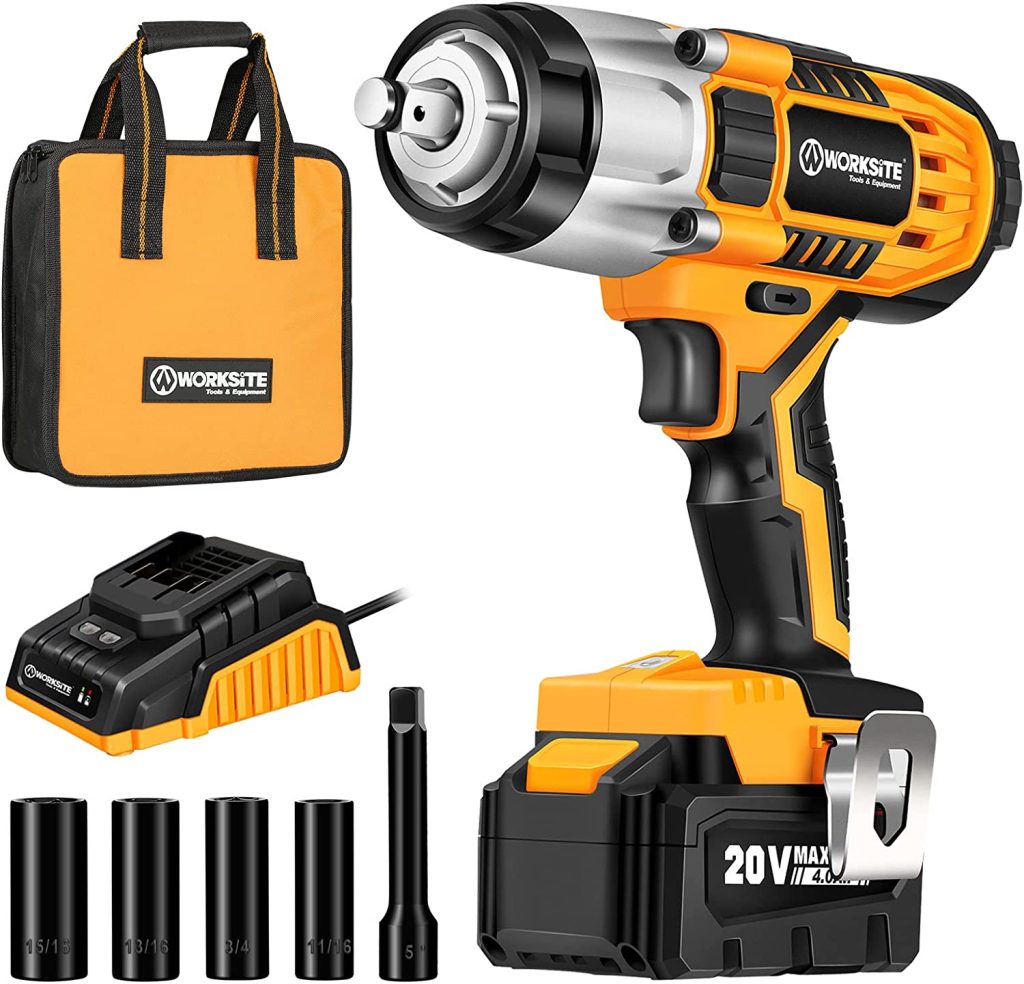
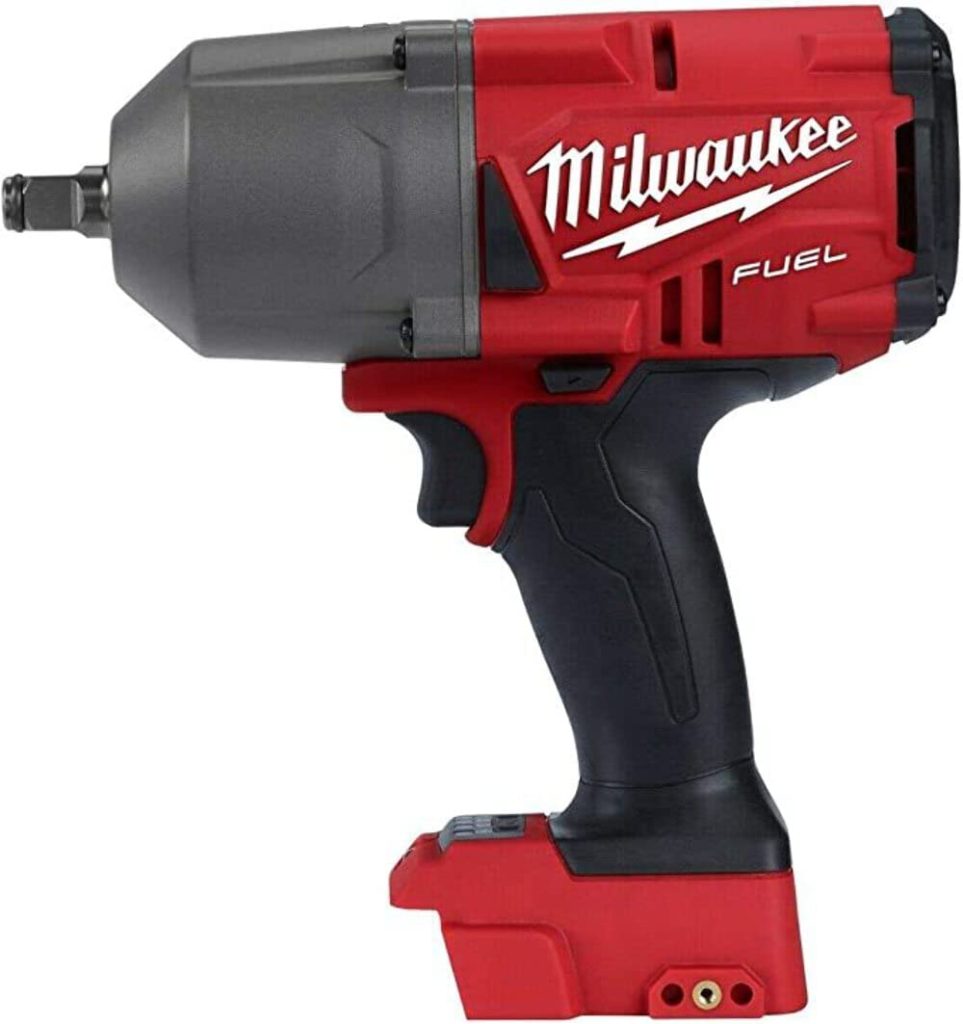
An impact wrench (also called an impact gun) is one of the most powerful and time-saving tools in any garage, workshop, or job site. Unlike a regular ratchet or drill, it delivers short, powerful rotational “impacts” or hammer blows that break loose stubborn, rusted, or over-tightened bolts and nuts with minimal effort from the user. This makes it essential for automotive work (lug nuts, suspension bolts), construction, heavy equipment maintenance, and serious DIY projects.
In 2026, cordless impact wrenches dominate the market thanks to advances in brushless motors, high-output batteries, and smarter controls. No more dragging air hoses or power cords around. But with dozens of models from DeWalt, Milwaukee, Makita, and others, how do you choose the right one?
This complete buying guide breaks down everything you need to know — from key specifications and types to real-world use cases, top recommendations, and maintenance tips — so you can make a confident purchase.
What Is an Impact Wrench and How Does It Work?
An impact wrench uses an internal hammer-and-anvil mechanism. When resistance builds (like on a seized bolt), the motor spins a hammer that strikes the anvil, creating a sudden high-torque impulse. This “impact” action multiplies force while reducing kickback compared to a continuous-torque tool.
Key advantage: It can deliver hundreds or even over 1,000 ft-lbs of torque without twisting your wrist off. Regular drills or ratchets simply can’t match this on tough fasteners.
Impact Wrench vs. Impact Driver: Don’t Get Them Confused
Many people mix up these two tools:
- Impact Driver — Uses a 1/4-inch hex chuck for driving screws and smaller fasteners. It delivers high RPM with lighter impacts (typically 1,500–2,500 in-lbs torque). Great for woodworking, deck building, or assembling furniture.
- Impact Wrench — Features a square drive (usually 3/8-inch or 1/2-inch) for sockets. It provides much higher torque (often 300–1,400+ ft-lbs) but lower RPM. Designed for nuts, bolts, and lug nuts.
Bottom line: If you’re working with hex-head bolts or lug nuts, you need an impact wrench. An impact driver won’t have enough raw power or the right drive size for most automotive or heavy-duty tasks.
Types of Impact Wrenches
- Cordless (Battery-Powered) — Most popular in 2026. Offers excellent portability. 18V/20V platforms (DeWalt 20V, Milwaukee M18, Makita 18V LXT) are the sweet spot for power and runtime.
- Corded Electric — Unlimited runtime but limited by cord length and outlet access. Less common for mobile work.
- Pneumatic (Air-Powered) — Still king for maximum torque in professional shops with air compressors. Requires hose and compressor.
- Hydraulic — Rare, used in extreme industrial applications.
For most users reading this guide, cordless is the way to go for convenience and versatility.
Key Specifications to Consider When Buying
Here are the most important factors to evaluate:
1. Drive Size
- 1/2-inch — The standard for automotive and general heavy work. Handles lug nuts, large bolts, and most sockets.
- 3/8-inch — More compact and lighter. Good for tighter spaces or lighter-duty tasks.
- 1/4-inch — Rare for wrenches; mostly for very small fasteners.
Most buyers should start with a 1/2-inch drive model.
2. Torque (ft-lbs or Nm)
- Light-duty / DIY: 300–600 ft-lbs (enough for most car lug nuts and general bolts).
- Mid-torque (best all-rounder): 600–1,000 ft-lbs.
- High-torque / Professional: 1,000–1,400+ ft-lbs (for rusted truck bolts, heavy equipment, or stubborn fasteners).
Note: Manufacturers often list “nut-busting” or “breakaway” torque (higher) separately from fastening torque. Real-world performance depends on battery quality and motor efficiency.
3. Speed (RPM) and Impacts Per Minute (IPM) Higher RPM helps run fasteners on quickly. Higher IPM delivers more hammering power. Look for variable speed triggers and multiple modes (low/medium/high/auto) for better control and to avoid over-tightening.
4. Motor Type
- Brushless — More efficient, longer runtime, less heat, and longer tool life. Always prefer brushless over brushed motors.
5. Battery Voltage and Platform
- 18V/20V systems offer the best balance.
- Higher-capacity batteries (4Ah, 5Ah, 8Ah, or high-output) extend runtime significantly.
- If you already own tools from one brand, stick to that ecosystem (DeWalt 20V, Milwaukee M18, Makita LXT, etc.) for battery compatibility.
6. Weight and Ergonomics Compact “stubby” or mid-torque models are easier to use overhead or in tight engine bays. Look for rubberized grips, balanced weight, and LED lights for dark workspaces.
7. Additional Features
- Multiple speed/power modes
- Friction ring or detent pin anvil (for socket retention)
- Brushless motor + intelligent electronics
- IP-rated dust/water resistance
- Built-in work light
- Belt hook or lanyard attachment
Who Should Buy Which Type?
- Beginners / Home Garage DIYers — Mid-torque 1/2-inch cordless model with 500–800 ft-lbs. Compact size and good battery life matter more than max power.
- Automotive Enthusiasts & Semi-Pro — High-torque 1/2-inch with at least 800–1,200 ft-lbs for reliable lug nut removal and suspension work.
- Professional Mechanics & Contractors — Top-tier models from Milwaukee Fuel, DeWalt XR, or Makita with the highest torque, fastest speeds, and longest runtime. Multiple tools (mid + high torque) are common.
Top Cordless Impact Wrench Recommendations for 2026
Here are standout options based on current performance, expert tests, and user feedback:
- Best Overall / Professional Pick: Milwaukee M18 Fuel high-torque models (e.g., 2967 or similar Gen models) — Excellent power, 4-mode drive control, and massive ecosystem.
- Best Value / Strong Performer: DeWalt 20V XR mid-torque (DCF891 or DCF900 series) — Often tops independent torque tests with great balance of power, size, and price.
- Best for Raw Power: Makita 18V or 40V XGT high-torque models — Known for durability and high output in head-to-head tests.
- Best Compact / Lightweight: DeWalt Atomic or similar stubby 1/2-inch models — Ideal for tight spaces without sacrificing too much power.
- Budget-Friendly: Look at brands like Ryobi, Craftsman, or newer brushless options from Seesii/KIMO for solid entry-level performance (check real torque claims carefully).
Always compare current bare-tool vs. kit prices and factor in battery cost if you’re starting fresh.
How to Use an Impact Wrench Safely and Effectively
- Always use impact-rated sockets (they’re thicker and designed to handle the hammering).
- Hand-start threads to avoid cross-threading.
- Use lower speed/mode for final tightening — impact wrenches are not precision torque tools. Finish with a torque wrench for critical fasteners like lug nuts.
- Wear eye protection, hearing protection (these tools are loud), and gloves.
- Keep both hands on the tool for high-torque applications.
Pro Tip: For lug nuts, zip them down quickly, then use a torque wrench to final spec. Never rely solely on the impact wrench for exact torque.
Maintenance and Longevity Tips
- Clean dust and debris after every use.
- For cordless models, avoid over-discharging batteries and store them at moderate charge levels.
- Check anvil and socket retention regularly.
- Some models have greasing ports — follow manufacturer intervals.
- Keep the tool dry and avoid dropping it.
Proper care can easily double the lifespan of your impact wrench.
Common Buying Mistakes to Avoid
- Buying purely on advertised “max torque” without checking real-world tests.
- Choosing a tool that’s too heavy or bulky for your typical jobs.
- Ignoring battery ecosystem compatibility.
- Skipping variable speed modes (control matters as much as raw power).
- Using regular (non-impact) sockets — they can shatter.
Final Thoughts: Choosing Your Perfect Impact Wrench in 2026
The best impact wrench is the one that matches your specific needs for torque, size, runtime, and budget. For most people, a solid mid-torque 1/2-inch cordless brushless model from a reputable brand (DeWalt, Milwaukee, or Makita) delivers the ideal balance of power and usability.
Start by asking:
- What fasteners will I loosen/tighten most often?
- Do I already own batteries from a certain brand?
- How important is compactness vs. maximum power?
If you’re still unsure, a mid-torque model is hard to beat as a first or primary impact wrench.
Ready to upgrade your toolbox? Check out our in-depth reviews of specific models, comparisons (cordless vs. pneumatic), and current best deals here on ElectricCounselor.com.
Have questions about a particular brand, torque requirement for your vehicle, or need help deciding between two models? Drop a comment below or contact us — we’re here to help you get the right tool for the job.
Related Articles on ElectricCounselor.com:
- Best Cordless Impact Wrenches of 2026
- Angle Grinder Buying Guide
- Cordless vs. Corded Power Tools: Which Should You Choose?
- How to Use Power Tools Safely