Electric vehicles (EVs) differ significantly from internal combustion engine (ICE) cars in design, components, and maintenance needs. While EVs require less routine engine work, they still demand precise mechanical care—particularly for wheels, suspension, brakes, battery packs, and high-voltage connections. A high-quality torque wrench (and a solid set of wrenches/ratchets) is one of the most essential tools for any EV owner who performs DIY maintenance or even basic tasks like tire rotations. Here’s why “the best” wrench isn’t just nice to have—it’s often critical for safety, performance, and longevity.
1. Precise Torque Specifications Prevent Damage and Failures
EVs have strict manufacturer torque specs (in Nm or ft-lbs) for critical fasteners:
- Wheel lug nuts: Overtightening can warp rotors, damage wheels, or crack components. Undertightening risks loose wheels, which is extremely dangerous at high speeds. EVs are heavier (due to battery weight), amplifying these risks.
- Suspension and subframe bolts: Many EVs use aluminum or lightweight materials that are sensitive to improper torque.
- Battery pack and high-voltage connections: Some DIY or home repairs (e.g., module access on certain models) require exact torque to maintain seals, electrical integrity, and crash safety.
A good click-type or digital torque wrench ensures you hit the exact value every time, avoiding guesswork that “feels right.” Cheap wrenches can be inaccurate by 10–20%+, leading to costly repairs or safety issues.
2. Safety Considerations Unique to EVs
- High-voltage systems: While you shouldn’t work directly on live high-voltage components without certification, insulated tools (including wrenches) are recommended for any work near the battery. A quality insulated torque wrench set protects against accidental shocks.
- Regenerative braking and one-pedal driving: These create different stresses on brakes and suspension, making proper fastener torque even more important to prevent vibrations or premature wear.
- Lightweight materials: Modern EVs use more composites, aluminum, and carbon fiber. Over-torquing can strip threads or crack parts easily.
3. Performance, Efficiency, and Longevity
- Proper torque reduces vibration, noise, and uneven wear—helping maintain the quiet, smooth ride EVs are known for.
- It preserves warranty coverage: Many manufacturers require documented proper maintenance for claims.
- Battery and motor efficiency can be indirectly affected by chassis integrity. Loose components increase road noise and energy consumption.
4. Common EV Maintenance Tasks Requiring a Torque Wrench
- Tire rotations and changes (most frequent).
- Brake pad/rotor service.
- Suspension work or alignments.
- Accessory installations (e.g., roof racks, hitches).
- Occasional battery or underbody panel work.
Recommended Tools for EV Owners
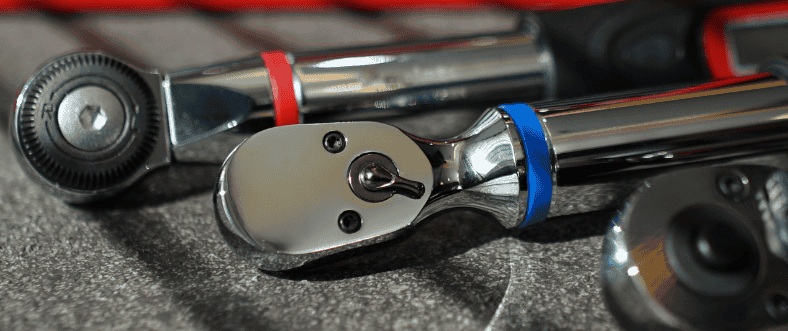
- Best overall torque wrench: A 1/2″ drive digital or beam-style model with 20–250+ Nm range (covers most automotive needs). Brands like ACDelco, GearWrench, or precision ones from Wiha/Klein for insulated EV-specific kits.
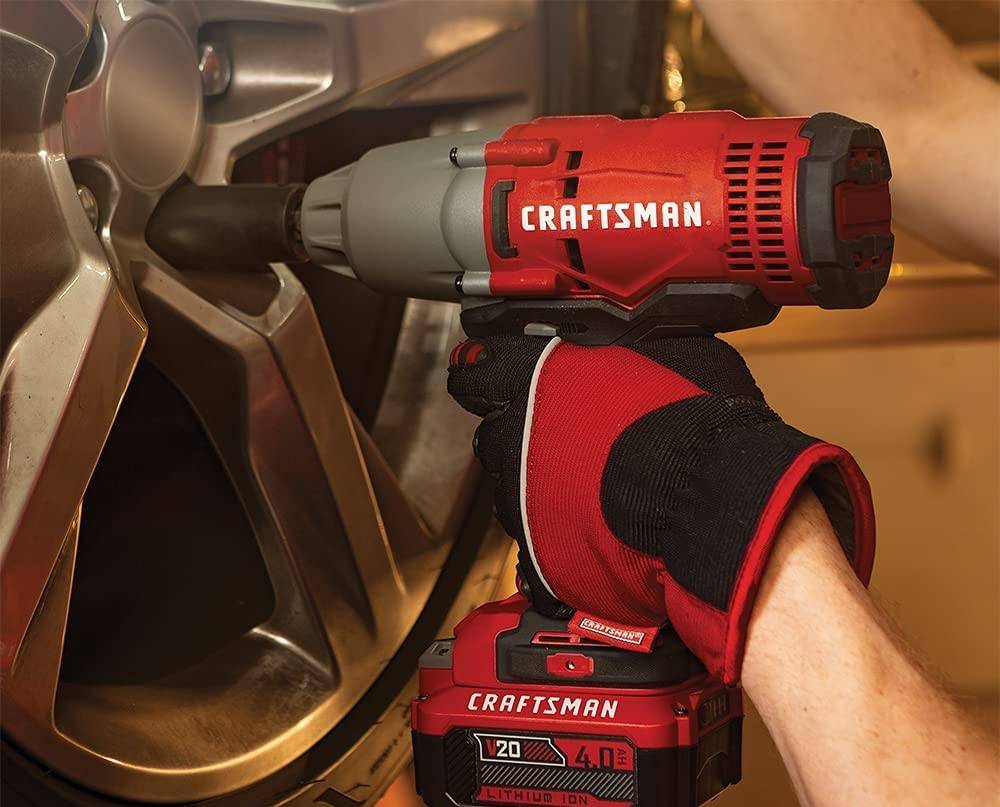
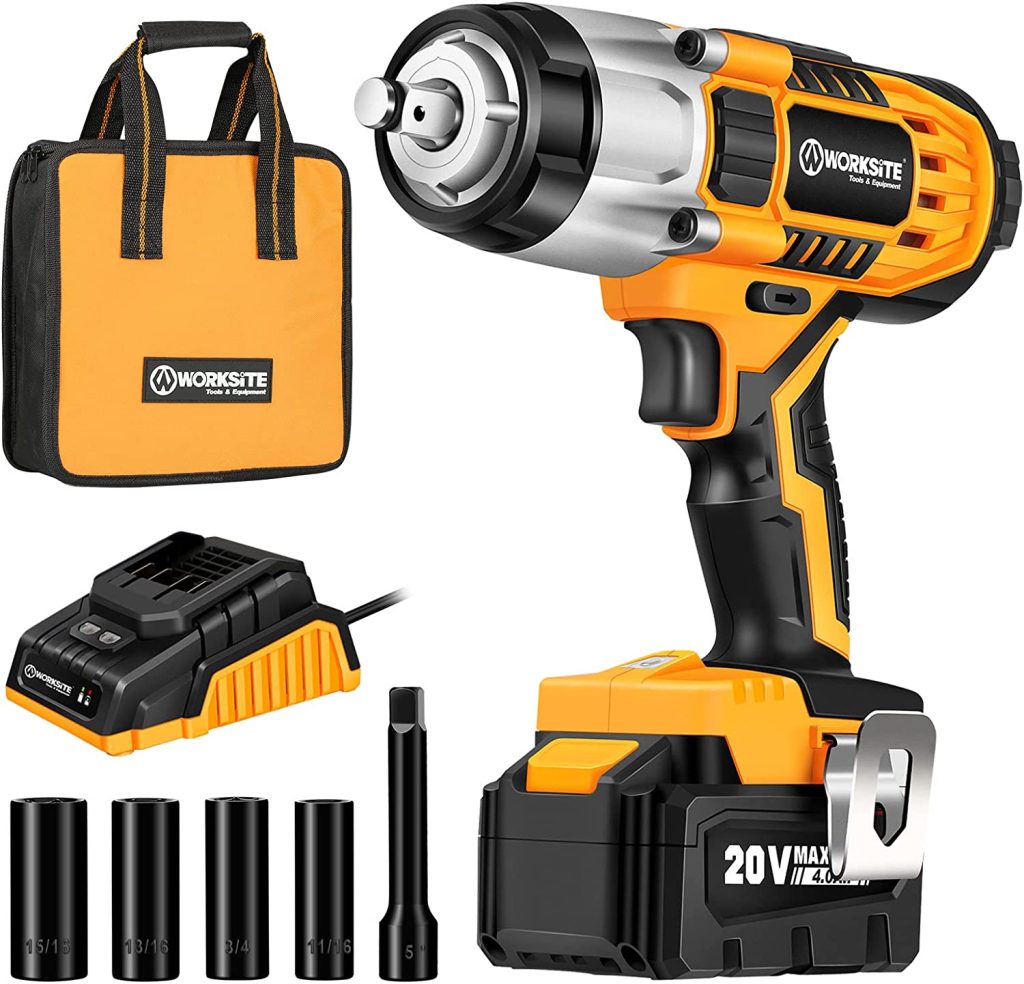
- Electric/cordless ratchet wrenches: Speed up work in tight spaces (popular for EV underbody access). Look for high-torque, long-reach models.
- Insulated wrench sets: 1000V-rated for safety (essential for certified EV techs or cautious owners).
- Full socket set with deep wells and extensions.
Budget tip: Invest in a mid-to-high-end torque wrench ($50–$200) rather than the cheapest—accuracy and calibration longevity matter.
DIY vs. Professional
For basic tasks like tires, a good wrench empowers safe DIY. For high-voltage, battery, or complex repairs, always consult certified EV technicians with specialized equipment (e.g., battery lifts, isolation meters).
In short, the “best” wrench (precise, durable, and appropriately rated) protects your investment, ensures safety on the road, and prevents small issues from becoming expensive problems. EVs may have fewer fluids and filters, but mechanical precision remains non-negotiable. If you’re new to EV ownership, adding a quality torque wrench to your toolkit is one of the smartest first steps.