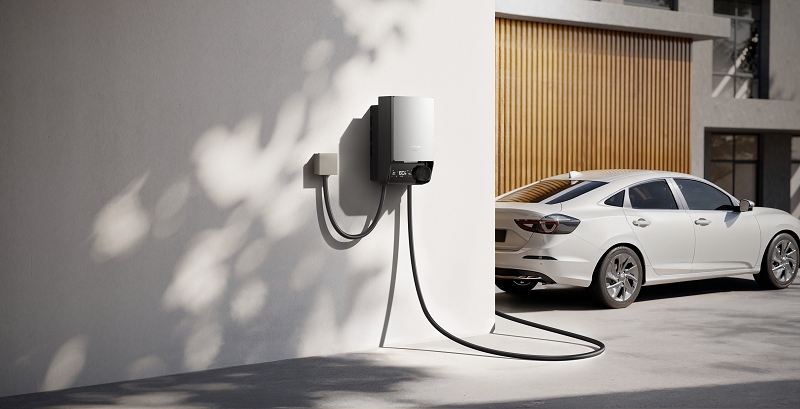
Home charging transforms EV ownership. It delivers the cheapest electricity rates, maximum convenience (plug in overnight and wake up full), and eliminates reliance on public stations for daily driving. By 2026, Level 2 (240-volt) home chargers are more capable, smarter, and affordable than ever, with widespread NACS adoption, advanced load management, and solar integration.
This long-form guide covers the top options based on expert testing from sources like MotorTrend, Car and Driver, Wirecutter, and others in 2026. It includes key buying factors, installation details, costs, incentives, and recommendations for different needs.
Why Install a Home EV Charger in 2026?
Most EVs ship with a Level 1 (120V) charger adding only 2–5 miles of range per hour. A Level 2 charger typically adds 20–60+ miles per hour, fully charging most batteries overnight. Home charging costs roughly one-third of DC fast charging and supports time-of-use (TOU) rates or solar self-consumption for even lower costs.
Key 2026 Trends:
- NACS Standardization: Tesla’s connector is now dominant; many chargers offer native NACS or J1772 with adapters.
- Smart Features: Wi-Fi apps for scheduling, energy tracking, and integration with home energy systems.
- Load Management: Dynamic power adjustment to avoid panel upgrades.
- Durability: Weatherproof (NEMA 4/IP66+) units for outdoor/garage use.
- Future-Proofing: Support for bidirectional charging (V2H/V2G) in select models.
Top Home EV Chargers in 2026
1. Best Overall for Most People: Emporia Classic or Pro
Emporia models frequently top 2026 lists for value, features, and performance.
- Emporia Classic (~$429): Up to 48A (11.5 kW), 24–25 ft cord, J1772 or NACS versions, plug-in or hardwire. Excellent app for scheduling and energy tracking. Weather-resistant (IP66/NEMA 4).
- Emporia Pro (~$599): Adds included Vue energy monitor for dynamic load balancing (prevents overloads and enables solar-priority charging). Slimmer cable, same power.
Pros: Affordable full-featured option, long/thin cable, strong app, solar/load management (especially Pro), versatile installation. Cons: App can feel cluttered if you only use EV features; Pro is pricier. Best for: Most households, solar owners, or those with limited electrical capacity. Wirecutter and Car and Driver often name it top pick.
2. Best Design and Tesla Integration: Tesla Wall Connector (~$450)
MotorTrend‘s top overall pick in 2026. Sleek design, 24 ft slim (0.6-inch) cable, up to 11.5 kW (48A), hardwired, NACS connector, 4-year warranty. Intuitive Tesla app for scheduling.
Pros: Elegant build (doubles as cable management), thin flexible cable, great value, seamless for Tesla vehicles. Cons: Hardwire only, NACS primary (less ideal without adapter for J1772 EVs). Best for: Tesla owners or NACS-native vehicles seeking premium aesthetics on a budget.
3. Best Future-Proof/Universal Option: Tesla Universal Wall Connector (~$600)
Same elegant design as the standard Wall Connector but with integrated NACS + J1772 adapter. Up to 48A, 24 ft cable, 4-year warranty.
Pros: Charges virtually any EV without separate adapters, future-proof as more vehicles adopt NACS. Cons: Adapter is tethered; slightly bulkier unit. Best for: Multi-EV households or those planning to switch vehicles.
4. Premium Pick: ChargePoint Home Flex (~$500–$599)
Up to 50A (12 kW, highest in many tests), 23 ft cable, J1772 or NACS, plug-in or hardwire, excellent app with public network integration, Energy Star certified.
Pros: Powerful, polished app/ecosystem, reliable brand, flexible install. Cons: Higher price; some reports of GFCI issues (prefer hardwire). Best for: Users wanting maximum power and a premium software experience.
5. Best Budget/Durable: Grizzl-E Classic or Duo (~$300+)
Rugged metal enclosure, up to 40–48A, very weatherproof (IP67), long cord. Duo model for two EVs.
Pros: Inexpensive, bomb-proof build, simple/reliable. Cons: Basic (no app on Classic), thicker cable. Best for: Budget buyers or harsh environments. Smart versions add Wi-Fi.
Other Strong Contenders
- Autel MaxiCharger AC Lite (~$300–$470): Great app, good value for J1772.
- Lectron Portable Level 2: Budget on-the-go option with Wi-Fi.
- EVIQO, CleverCharge, Leviton, FLO, Wallbox: Niche strengths in app smarts, compactness, or multi-unit setups.
Comparison Table (Approximate 2026 Pricing/Specs)
- Emporia Pro: $599 | 48A | 25 ft | J/NACS | Plug/HW | Load mgmt | 3 yr
- Tesla Wall Connector: $450 | 48A | 24 ft | NACS | HW | Basic smart | 4 yr
- Tesla Universal: $600 | 48A | 24 ft | Both | HW | Smart | 4 yr
- ChargePoint Home Flex: $550 | 50A | 23 ft | J or NACS | Both | Excellent app | 3 yr
- Grizzl-E Classic: $300 | 40A | 25 ft | J/NACS | Both | Basic | 3–5 yr
(Prices fluctuate; check current Amazon/retailer deals. HW = hardwire.)
Buying Guide: What to Consider in 2026
- Power Needs: 40–48A is ideal for most (full charge in 4–8 hours). Match to your EV’s onboard charger and daily mileage.
- Connector: NACS for Tesla/Rivian/newer EVs; J1772 for legacy; Universal for flexibility.
- Installation Type: Hardwire is preferred for safety/reliability. Plug-in (NEMA 14-50) offers flexibility but may limit amps.
- Smart Features: Scheduling for cheap TOU rates, energy monitoring, solar integration, app control, voice assistant support.
- Load Management: Critical if your panel is near capacity (e.g., Emporia Vue or Tesla Remote Meter).
- Durability: Look for NEMA 4/IP66+ for outdoor use and cold-weather performance.
- Warranty & Support: 3–4 years typical; check brand reputation.
- Multi-EV: Shared circuit or dedicated Duo models.
Installation Costs and Process (2026)
- Equipment: $300–$700.
- Installation: $500–$2,500 typical (circuit addition). Panel upgrade: $1,500–$5,000+.
- Total: $800–$4,000+ for most homes.
Hire a licensed electrician. Permits are often required. Outdoor mounts need proper weatherproofing. Time: 1–3 days.
Incentives (Check Locally as They Change):
- Federal 30C tax credit: Up to 30% (max $1,000) for home installations in eligible areas (through mid-2026).
- State/utility rebates: $200–$1,000+ common.
- Stack incentives for big savings. Consult DSIRE database or local utility.
Tips for Optimal Use
- Charge during off-peak hours.
- Pair with solar + battery for near-zero cost and resilience.
- Use apps for usage tracking and cost estimates.
- Maintain: Keep cable organized; inspect for wear.
- Safety: Use certified (UL-listed) equipment; never daisy-chain or use extensions improperly.
Final Recommendations
- Most People/Best Value: Emporia Classic/Pro — balances everything well.
- Tesla Household: Tesla Wall Connector or Universal.
- Premium/Reliability: ChargePoint Home Flex.
- Tight Budget: Grizzl-E or Lectron.
- Multi-Vehicle/Solar: Emporia Pro or smart load-sharing setups.
Investing in a quality home charger in 2026 pays for itself quickly through convenience and lower energy costs. Research your EV’s specs, get multiple electrician quotes, and verify current incentives. Your garage EV “gas station” will make electric driving even more enjoyable.