The American farming industry is entering a technological revolution. For decades, diesel-powered harvesters and tractors dominated farms across the United States. But in 2026, a new generation of electric and autonomous agricultural machines is beginning to reshape the future of farming.
Driven by rising fuel costs, labor shortages, climate concerns, and advances in artificial intelligence, manufacturers are investing heavily in electric harvesting systems, autonomous combines, and battery-powered field equipment. Companies like John Deere, Monarch Tractor, and CNH Industrial are leading this transformation.
Modern electric harvesters are no longer experimental concepts. Many now feature autonomous navigation, AI-powered crop sensing, precision harvesting systems, and real-time cloud connectivity. Some machines can even adjust harvesting speed automatically based on crop density and field conditions. (John Deere)
Below are ten of the most important electric or electric-assisted harvesting machines and autonomous agricultural systems shaping American farming in 2026.
1. John Deere X9 Smart Combine
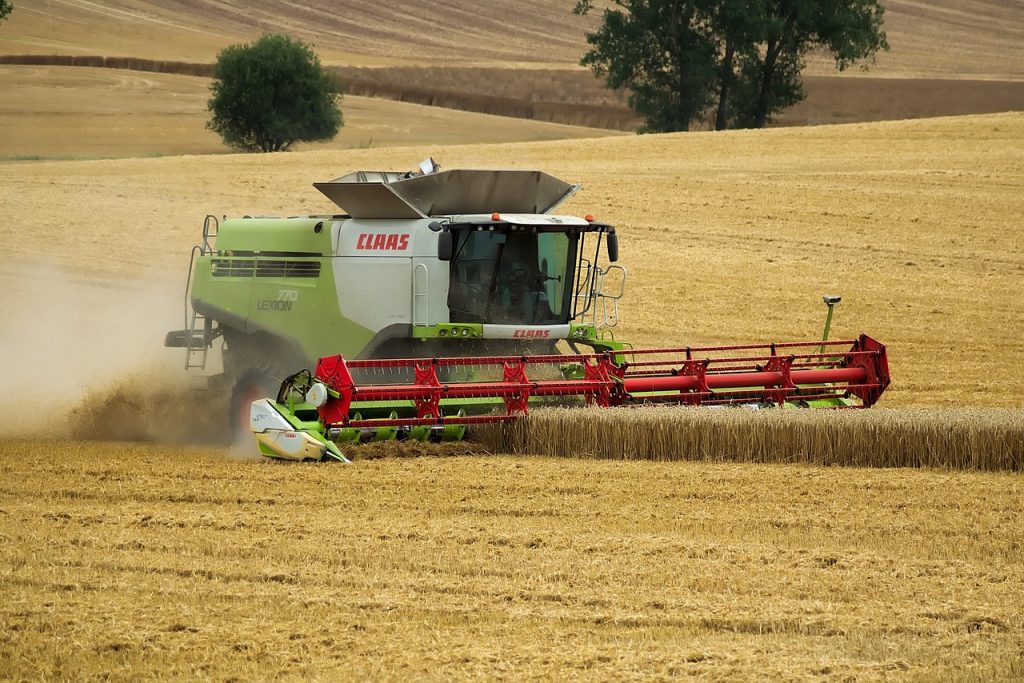
John Deere has become one of the biggest names in autonomous harvesting technology. The company’s X9 Series combine is not fully battery-electric yet, but it heavily integrates electric drive systems, AI automation, and predictive harvesting technology.
The 2026 version includes:
- Predictive Ground Speed Automation
- Stereo vision cameras
- AI crop analysis
- Automatic harvesting adjustments
- Satellite-connected field mapping
According to Deere, the system can improve productivity by 20–30 percent while reducing operator workload. (Dtnpf)
The combine can automatically adjust rotor speed, fan settings, and harvesting speed based on real-time crop conditions. This helps farmers reduce grain loss and improve fuel efficiency.
2. Monarch MK-V Electric Tractor
Although technically a tractor rather than a combine harvester, the Monarch MK-V is one of the most influential electric agricultural machines in the United States.
The fully electric smart tractor features:
- Autonomous driving capability
- Battery-electric drivetrain
- Camera-based obstacle detection
- AI-powered farm data collection
- Remote operation features
The tractor produces around 70 HP peak power and operates with zero tailpipe emissions. It is already being used in orchards, vineyards, and specialty farms across the U.S. (Farm Progress)
However, some farmers on Reddit reported concerns about durability and software reliability in early versions. (Reddit)
3. John Deere Autonomous 8R System
The John Deere 8R represents Deere’s move toward fully autonomous farming.
The machine uses:
- GPS-guided automation
- AI obstacle detection
- Electric-assisted drive technologies
- Cloud-connected farm management systems
Farmers can control and monitor the tractor remotely through mobile apps. Deere says the technology is designed to reduce labor shortages and maximize operational efficiency. (Robotomated)
4. Solectrac e70N Electric Tractor
Solectrac has emerged as one of America’s leading electric farm equipment manufacturers.
Its e70N model includes:
- 70 HP electric powertrain
- Battery-powered operation
- Quiet harvesting support
- Low maintenance systems
- Zero-emission field work
The tractor is especially popular among vineyard and orchard operators in California. (Farm Progress)
Compared to diesel tractors, electric systems reduce noise significantly and require fewer mechanical repairs.
5. AgXeed Autonomous Field Harvester
The Dutch company AgXeed is gaining strong attention in the U.S. agricultural market through its autonomous farming systems.
Its autonomous machines use:
- Diesel-electric hybrid systems
- Electric motor-driven tracks
- Autonomous navigation
- AI-based field mapping
Farmers and robotics enthusiasts have praised the technology online for its futuristic design and labor-saving potential. (Reddit)
AgXeed’s systems are particularly attractive for large-scale grain farms where labor shortages are becoming a serious issue.
6. Case IH Autonomous Harvester Concepts
Case IH and parent company CNH Industrial are developing modular electric and autonomous harvesting systems.
Their next-generation concepts focus on:
- Hybrid-electric operation
- Swarm farming systems
- Driverless harvesting
- Precision agriculture integration
Industry analysts believe CNH is positioning itself to compete directly with Deere in autonomous harvesting technology. (Reddit)
7. New Holland Electric Agriculture Platform
New Holland Agriculture is also investing heavily in electric farm machinery.
Its smart agriculture projects include:
- Electric compact tractors
- Autonomous crop harvesting systems
- Precision spraying technologies
- AI-assisted crop analytics
The company is working closely with battery developers and robotics firms to reduce diesel dependency in farming operations.
8. Carbon Robotics Laser Harvester Support Systems
Carbon Robotics focuses more on AI-driven weed elimination, but its systems are becoming important components in autonomous harvesting operations.
The company’s laser systems can:
- Detect weeds with AI vision
- Eliminate weeds without chemicals
- Reduce herbicide usage
- Integrate with harvesting fleets
These technologies are helping modern farms move toward fully automated electric agriculture. (Yenra)
9. GUSS Autonomous Orchard Sprayer
The GUSS Automation system is widely used in orchards across California.
While primarily a sprayer, it represents a major shift toward autonomous electric-assisted farming systems.
Features include:
- Driverless navigation
- Remote fleet control
- AI-assisted orchard mapping
- Reduced labor costs
Autonomous orchard technology is expected to expand rapidly into harvesting operations over the next few years. (Yenra)
10. Deere’s Future Fully Electric Autonomous Tractor Project
One of the most ambitious projects comes again from John Deere.
The company announced plans to develop a fully electric autonomous tractor platform by 2026. (Farm Progress)
The project aims to combine:
- Full battery-electric operation
- Autonomous field navigation
- AI crop management
- Precision farming software
If successful, this could become one of the biggest technological shifts in agriculture since the introduction of GPS-guided farming.
Why Electric Harvesters Matter
Electric agricultural equipment offers several major advantages over traditional diesel systems:
Lower Fuel Costs
Electric systems reduce dependency on expensive diesel fuel.
Reduced Emissions
Battery-powered systems help farms lower carbon emissions.
Less Maintenance
Electric drivetrains have fewer moving parts than diesel engines.
Autonomous Farming
AI-powered machines can work longer hours with fewer operators.
Precision Agriculture
Modern harvesters collect real-time data to improve crop yields and efficiency.
According to agricultural technology experts, autonomous and electric farming systems are expected to become one of the fastest-growing sectors in U.S. agriculture during the next decade. (Yenra)
Challenges Facing Electric Harvesters
Despite the excitement, electric harvesting machines still face major challenges:
- High purchase costs
- Limited battery life
- Charging infrastructure problems
- Software reliability concerns
- Right-to-repair controversies
Some farmers also worry about overdependence on proprietary software systems and remote diagnostics. Discussions on Reddit frequently mention repair restrictions and technical support concerns. (Reddit)
The Future of Farming
The future American farm may look very different from today’s diesel-powered operations. Instead of noisy machines operated manually for long hours, farms could soon use fleets of autonomous electric harvesters guided by AI, satellites, and cloud-connected software.
From California vineyards to Midwest corn fields, electric harvesting technology is beginning to transform agriculture into a smarter, cleaner, and more automated industry.
The transition will not happen overnight. Diesel equipment will remain dominant for years. But 2026 may eventually be remembered as the moment electric and autonomous farming truly entered the mainstream in the United States.