If you’re just starting your DIY journey—whether assembling furniture, hanging shelves, mounting TVs, or doing basic home repairs—a good cordless drill is the single most useful tool you’ll own. It makes tasks faster, easier, and more enjoyable without the hassle of cords.
For beginners, the “best” drill isn’t the most powerful pro model. It’s one that’s lightweight, comfortable, easy to control, reliable, and offers great value. Overkill tools feel heavy and intimidating; underpowered cheap ones frustrate you quickly.
In this guide, we’ll cover exactly what beginners need, top recommendations based on 2026 reviews and tests (from Wirecutter, Consumer Reports, Popular Mechanics, and others), and practical tips to get started confidently.
Why Beginners Should Choose Cordless Over Corded
- Portability: Work anywhere without outlets or extension cords.
- Convenience: Quick setup and storage.
- Safety & Control: Variable speed triggers and clutches prevent stripping screws or damaging materials.
- Future-Proofing: Most come in battery platforms (e.g., DeWalt 20V, Ryobi 18V) so you can expand your toolkit affordably.
12V or 18V/20V? For most beginners, a compact 12V or lightweight 18V/20V is ideal. 12V models excel in ergonomics and are plenty powerful for household tasks. Higher voltage adds power for occasional tougher jobs but increases weight.
Key Features to Look for in a Beginner-Friendly Cordless Drill
Focus on these when shopping:
- Voltage: 12V for light/compact use; 18V-20V for versatility.
- Brushless Motor: More efficient, longer runtime, less heat, better battery life (worth the small premium).
- Torque (in-lbs): 300–500+ in-lbs is excellent for beginners. Higher torque drives screws easier without stalling.
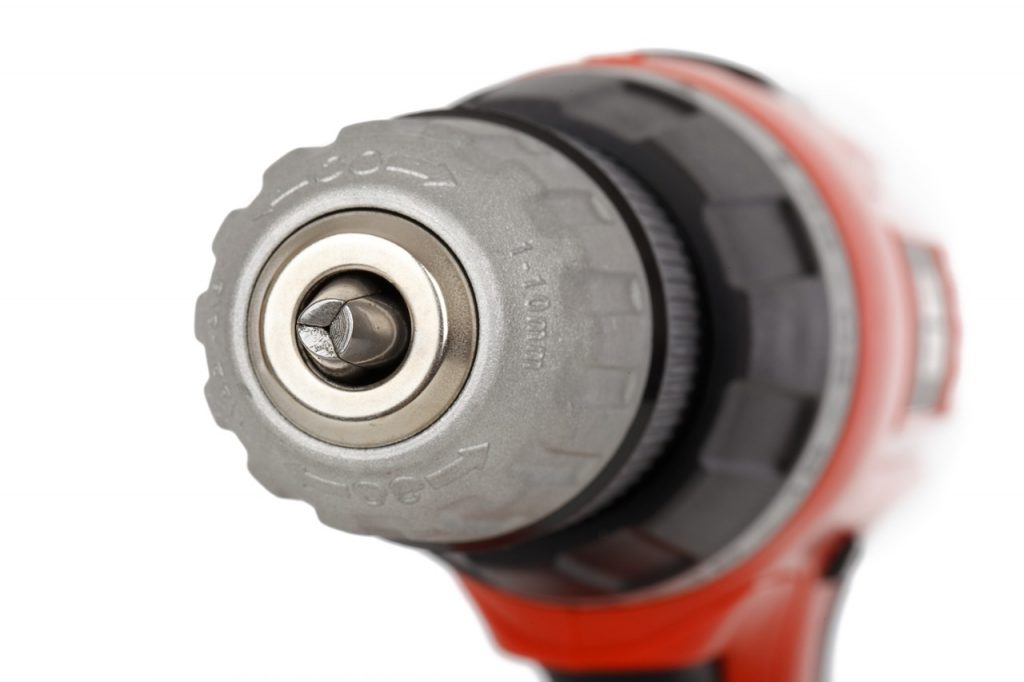
- Chuck Size: 3/8-inch is common and sufficient; keyless for quick bit changes.
- Battery & Kit: At least one battery + charger. Two batteries are better for uninterrupted work.
- Weight: Under 3–3.5 lbs (with battery) for reduced fatigue.
- Clutch Settings: 15–20+ settings to control driving force and avoid over-tightening.
- LED Light: Bright, well-positioned for visibility in dark spots.
- Ergonomics: Rubberized grip, balanced feel, and easy-to-reach controls.
Bonus: Look for models with a belt hook and the ability to stand upright.
Top Cordless Drills for Beginners in 2026
1. Best Overall for Most Beginners: DeWalt DCD701F2 Xtreme 12V Max Brushless
This consistently ranks as a top pick for household and beginner use.
Why it’s great for beginners:
- Extremely comfortable and balanced—often called the most ergonomic drill tested.
- Powerful enough for most home tasks (bores dozens of holes per charge).
- Lightweight and compact for tight spaces and overhead work.
- Stands upright on its battery.
- Excellent LED lighting and features.
Specs highlights: Brushless motor, ~350–400+ in-lbs torque, 2 batteries in kit, fast charging.
Price range: Mid-premium (great value on sale).
Best for: Furniture assembly, shelving, general repairs.
Drawback: Not ideal for heavy masonry (add a hammer drill later if needed).
2. Best Budget Pick: Skil PWRCORE 20V Brushless Drill Driver Kit
Outstanding value and surprisingly capable.
Why it’s great for beginners:
- Affordable yet performs well in tests.
- Lightweight (~2.2–2.5 lbs) and easy to handle.
- Good torque and two-speed settings.
- Part of an expanding 20V ecosystem.
Specs highlights: Brushless, solid runtime, LED light, compact design.
Price range: Budget-friendly (~$80–$100 for kit).
Best for: First-time users on a budget doing light-to-medium tasks.
Drawback: Fewer pro-level durability features than premium brands.
3. Best Value Ecosystem Pick: Ryobi 18V ONE+ Compact or Hammer Drill Kit
Ryobi is beginner heaven due to its huge, affordable tool lineup.
Why it’s great for beginners:
- Excellent price-to-performance.
- Massive battery compatibility (hundreds of tools).
- Good power for home projects with comfortable handling.
- Often includes useful kits.
Specs highlights: 18V, solid torque (around 500–800+ in-lbs on hammer models), multiple batteries available.
Price range: Very accessible.
Best for: Growing your toolkit over time.
Drawback: Slightly heavier than pure 12V compacts.
4. Strong Runner-Up: Milwaukee M12 or Compact M18 Models
Reliable, powerful, and durable. Great if you want pro-quality from day one (e.g., Milwaukee 3401-22 or similar).
Honorable Mentions:
- DeWalt 20V MAX XR for more power.
- Black+Decker or budget kits for ultra-light starter use.
- Makita for excellent balance and reliability.
Comparison Table
| Model | Voltage | Weight (approx.) | Torque | Best For | Price Level | Key Advantage |
|---|---|---|---|---|---|---|
| DeWalt DCD701F2 | 12V | ~2.5–3 lbs | Strong | Comfort & daily use | Mid | Ergonomics & balance |
| Skil PWRCORE 20V | 20V | ~2.2 lbs | Good | Budget beginners | Low | Value & lightness |
| Ryobi 18V ONE+ | 18V | 3–4 lbs | Very Good | Expanding toolkit | Low-Mid | Ecosystem variety |
| Milwaukee Compact | 12V/18V | ~2.5 lbs | Excellent | Durability | Mid-High | Pro feel & power |
Common Beginner Projects & How to Use Your Drill
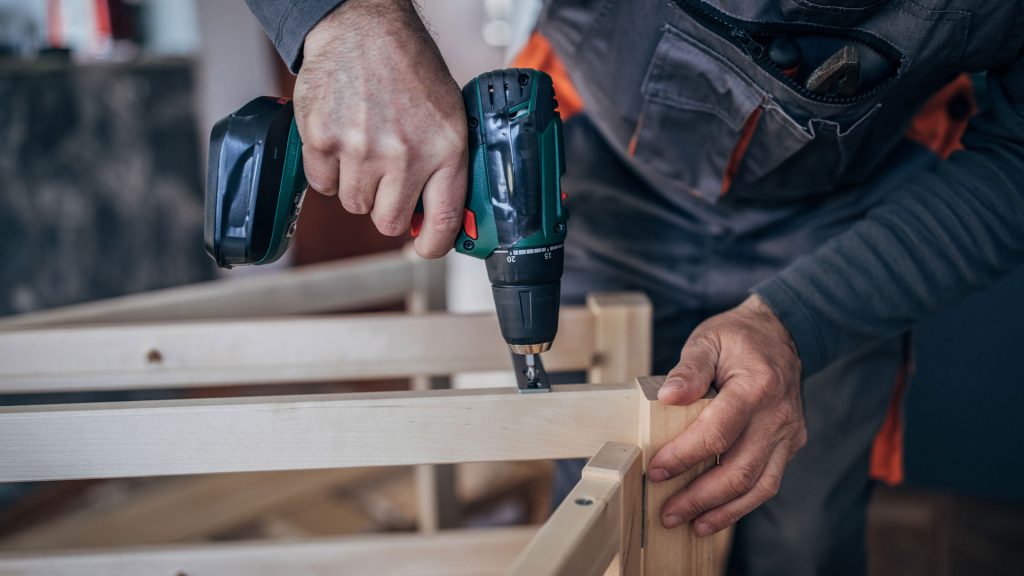
- Furniture Assembly: Use low clutch settings and driver bits.
- Hanging Shelves/Pictures: Pilot holes + appropriate screws/anchors.
- Drilling Drywall/Wood: Start slow, use steady pressure.
- Driving Screws: Clutch prevents stripping; match bit to screw head.
Pro Tip: Always drill a small pilot hole for screws in wood to prevent splitting.
Maintenance Tips to Make Your Drill Last Years
- Clean dust after use.
- Store batteries at room temperature (not fully drained or overcharged).
- Charge properly with the included charger.
- Keep bits sharp and organized.
- Avoid overloading—let the tool do the work.
Final Recommendation
For most beginners in 2026, start with the DeWalt DCD701F2 if comfort and ease are priorities, or the Skil PWRCORE if you’re watching your budget. Both will handle 90% of home tasks without overwhelming you.
Invest in quality bits, a good set of driver bits, and safety glasses. Once comfortable, expand into an impact driver (better for screws) or hammer drill (masonry).
Ready to buy? Check current prices on Amazon, Home Depot, or Lowe’s—kits often go on sale. Share your budget, main projects, or preferred brand in the comments, and I can refine this recommendation further!