In an era of volatile global oil markets, geopolitical tensions, and recurring fuel shortages or price spikes, electric vehicles (EVs) offer a compelling alternative. Unlike traditional gasoline-powered cars, EVs draw power from the electrical grid—largely domestic and more stable—eliminating exposure to gas station lines, fluctuating pump prices, and supply disruptions. During fuel crises, EV owners continue driving with home or public charging, often at a fraction of the cost, while enjoying lower maintenance (no oil changes, fewer brake replacements thanks to regenerative braking) and smoother, quieter performance.
Studies show widespread EV adoption can even lower gasoline prices for everyone by reducing oil demand. For individual drivers, the savings can reach hundreds of dollars per month when gas prices surge. As of 2026, federal purchase tax credits for new EVs have largely expired (post-September 2025), but state incentives, utility rebates, and home charger credits (up to $1,000 through mid-2026) can still help, alongside dramatically lower operating costs.
This article highlights America’s top EVs for 2026, focusing on range, efficiency, reliability, practicality, and value—key factors when fuel security matters most. Selections draw from expert tests by Car and Driver, Edmunds, MotorTrend, and others, prioritizing U.S.-relevant models with strong real-world performance.
Sedans: Efficient Daily Drivers and Highway Cruisers
Tesla Model 3 (Long Range)
The refreshed 2026 Tesla Model 3 remains a benchmark. It offers an EPA-estimated range up to ~340 miles (real-world highway tests often strong), rapid acceleration, and Tesla’s vast Supercharger network for reliable long trips. Prices start around $40,000–$50,000 depending on trim. Its minimalist interior, advanced driver assistance (with Full Self-Driving options), and over-the-air updates make it future-proof. For fuel-crisis resilience, its efficiency (~25-26 kWh/100 miles) and widespread charging access shine. Drawbacks include a firm ride and reliance on touchscreen controls.
Hyundai Ioniq 6
Often ranked among the most efficient EVs, the Ioniq 6 delivers up to 300+ miles of range with exceptional aerodynamics and efficiency (around 25 kWh/100 miles or better). It starts in the low $40,000s, features a comfortable, tech-filled cabin, fast charging (10-80% in ~18-20 minutes on DC fast chargers), and a more traditional (and relaxing) driving experience than Tesla. It’s a top pick for highway efficiency during extended travel when fuel is scarce.
Lucid Air
For premium buyers, the American-made Lucid Air leads in range and luxury, with variants claiming up to 410-512 miles—the longest of any production EV. Efficiency tops charts (~23 kWh/100 miles), and the spacious, opulent interior rivals luxury gas sedans. Starting prices are higher (~$70,000+), but the range and performance justify it for those wanting minimal charging stops. Built in the U.S., it’s a strong “Buy American” option.
Crossovers and SUVs: Versatile Family Haulers
Tesla Model Y
America’s best-selling EV (and often overall vehicle) for good reason. The 2026 “Juniper” refresh improves comfort and interior quality while retaining 300+ mile range options, strong performance, and class-leading utility (frunk + hatchback space). It’s practical for families, with available third-row seating in some configs, and benefits from Tesla’s ecosystem. Excellent value and resale, plus Supercharger access, make it ideal for crisis resilience.
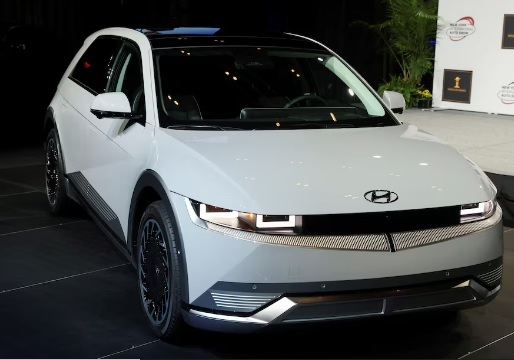
Hyundai Ioniq 5
A frequent comparison winner against the Model Y, the Ioniq 5 offers retro-futuristic styling, ultra-fast charging (800V architecture), spacious and flexible interior (sliding rear seats), and ~300-mile range in higher trims. It’s comfortable, fun to drive, and often praised for better ride quality. Pricing in the $40,000–$55,000 range positions it as a strong all-rounder.
Kia EV9
Named a top overall EV by Cars.com for 2026, this three-row electric SUV excels in space, comfort, range (300+ miles), and family-friendly features. It provides innovative packaging, strong performance, and a refined ride. Starting around $56,000, it’s a premium family option that insulates owners from fuel volatility.
Rivian R1S / R1T
For adventure-oriented Americans, Rivian’s U.S.-built electric SUV (R1S) and truck (R1T) deliver robust off-road capability, strong range (up to 400+ miles in some configs), and premium interiors. They offer unique features like gear tunnels and powerful quad-motor setups. Higher pricing (~$70,000+), but excellent for those needing truck/SUV utility without gas dependency.
Trucks and Larger Options: Workhorse Alternatives
Ford F-150 Lightning and Chevrolet Silverado EV / GMC Sierra EV
These bring EV power to America’s favorite vehicle class. The Lightning offers familiar F-150 capability with up to ~320 miles range and massive towing. GM’s offerings push further with 400+ mile variants in some tests. Ideal for fleets or heavy users seeking to slash fuel and maintenance costs.
Lucid Gravity and Cadillac Escalade IQ / Lyriq
Luxury large SUVs with exceptional range (Gravity competitive with top models) and comfort for long hauls. GM’s Ultium platform delivers strong performance in the Escalade IQ.
Key Considerations for Fuel Crisis Preparedness
- Range and Efficiency: Prioritize 300+ mile models like Lucid Air, Tesla offerings, or Ioniq 6 to minimize stops. Real-world highway range can dip 10-30% in cold weather or at high speeds—plan accordingly.
- Charging Infrastructure: Tesla’s network leads, but NACS adoption by others (Hyundai, Ford, GM, etc.) improves access. Home charging is ideal for daily savings.
- Reliability: Models from Hyundai/Kia, Tesla, and BMW often score well; check Consumer Reports or owner forums for battery/electronics longevity.
- Total Cost of Ownership: Even without federal credits, EVs save significantly on “fuel” (electricity ~1/3–1/4 the cost per mile) and maintenance. Used EVs amplify value.
- American-Made Focus: Tesla, Lucid, Rivian, and certain GM/Ford models support domestic manufacturing and jobs.
The Bigger Picture
Switching to an EV during uncertain fuel times provides independence: charge at home overnight, avoid gas lines, and enjoy instant torque and low running costs. While upfront prices vary and charging infrastructure isn’t perfect everywhere, the technology has matured rapidly by 2026, with excellent options across budgets and needs.
Test drive top contenders (Model Y, Ioniq 5/6, Lucid Air) and calculate your personal savings based on mileage and local electricity rates. In a fuel crisis—or to prepare for the next one—America’s best EVs aren’t just transportation; they’re a smarter, more resilient way to drive.
Whether you choose a value-packed Tesla, efficient Hyundai/Kia, luxurious Lucid, or adventurous Rivian, going electric positions you to keep moving when others are stuck at the pump. The future of American driving is electric—and it’s already here.