
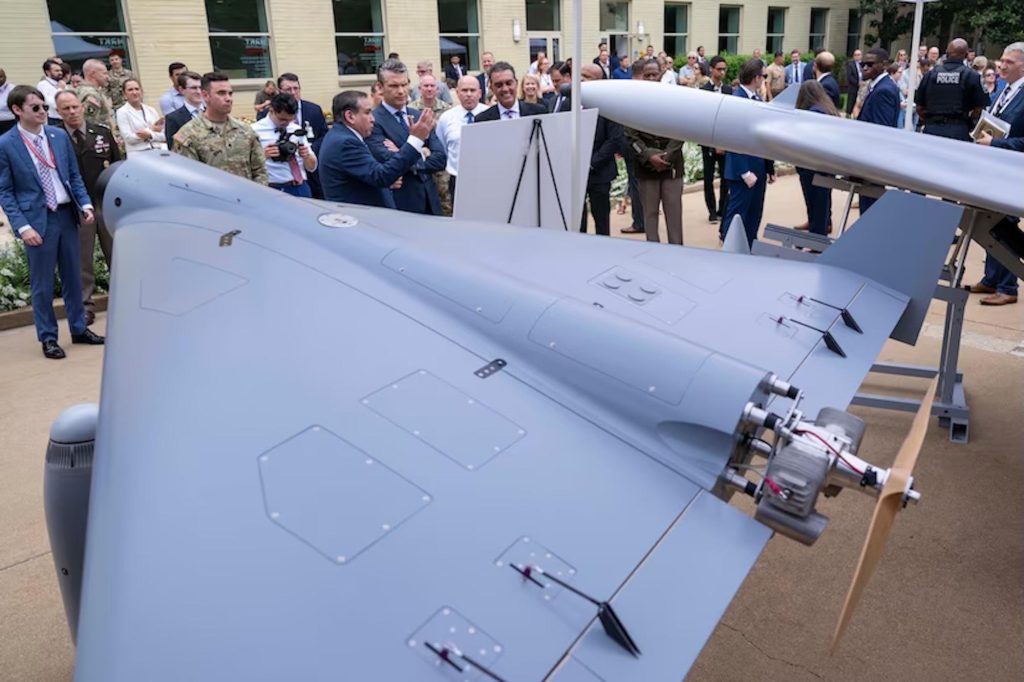
The rapid evolution of military drone technology has transformed modern warfare. From surveillance and reconnaissance to precision strike missions, drones now play a central role in military operations worldwide. One of the most significant developments in this field is the rise of loitering munitions, sometimes called kamikaze drones.
Among the emerging systems in this category is the LUCAS drone, a next-generation loitering munition designed for precision strikes, battlefield surveillance, and tactical operations.
This article provides a comprehensive overview of the LUCAS drone, including its technology, features, capabilities, operational role, advantages, and impact on modern warfare.
What Is the LUCAS Drone?
The LUCAS drone is a loitering munition system—a hybrid between a missile and an unmanned aerial vehicle (UAV). Unlike conventional drones that return to base after completing a mission, loitering munitions are designed to hover or “loiter” over a target area and then strike the target by crashing into it with an explosive payload.
This capability allows the operator to identify, track, and destroy targets in real time, making the system extremely valuable in modern combat scenarios.
Key characteristics include:
- Precision strike capability
- Autonomous or remote operation
- Real-time surveillance and targeting
- High mobility and rapid deployment
Loitering munitions like the LUCAS drone are becoming increasingly important because they combine intelligence gathering and attack capabilities in a single platform.
Key Features of the LUCAS Drone
1. Loitering Capability
One of the most important features of the LUCAS drone is its ability to stay airborne over a target area for an extended period.
Instead of striking immediately, the drone can circle above the battlefield and wait for the optimal moment to attack.
This allows operators to:
- Monitor enemy movement
- Confirm targets
- Avoid collateral damage
2. Precision Strike Technology
The drone is designed for high-precision attacks, which means it can destroy specific targets with minimal surrounding damage.
Potential targets include:
- Armored vehicles
- Radar systems
- Command posts
- Artillery positions
- Air defense systems
Precision strike technology reduces the need for large-scale bombardment, making warfare more targeted.
3. Real-Time Intelligence and Surveillance
Before striking, the drone transmits live video and sensor data back to the control station.
This allows operators to:
- Identify targets accurately
- Monitor battlefield conditions
- Adjust mission objectives
This capability turns the LUCAS drone into both a surveillance tool and a weapon.
4. Compact and Portable Design
Many loitering munition systems are designed to be portable and quickly deployable.
The LUCAS drone is typically launched from:
- Portable launch tubes
- Mobile military vehicles
- Tactical launch systems
This allows troops to deploy the drone quickly even in remote or hostile environments.
5. Autonomous Navigation
Modern military drones often include AI-assisted navigation and targeting systems.
These systems can:
- Follow pre-programmed flight paths
- Identify specific targets
- Maintain stable flight in complex conditions
Autonomous features help reduce operator workload and improve mission efficiency.
Technical Specifications (Typical for Loitering Munition Systems)
While exact specifications can vary depending on the version and manufacturer, loitering munition drones like LUCAS typically include:
Range: 20–200 km depending on configuration
Flight Time: 30 minutes to several hours
Speed: 100–200 km/h
Launch Method: Tube launch or catapult system
Guidance: GPS + electro-optical sensors
Payload: High-explosive warhead
Control System: Remote control with live video feed
How the LUCAS Drone Works
The operation of the LUCAS drone usually follows several stages:
1. Launch
The drone is launched from a portable launcher or vehicle-mounted system.
2. Surveillance
Once airborne, the drone flies toward the designated area and begins scanning the battlefield using cameras and sensors.
3. Target Identification
Operators observe live video and identify potential targets.
4. Loitering
The drone circles the target area while waiting for confirmation or a better opportunity to strike.
5. Attack
Once the target is confirmed, the drone dives directly into the target and detonates its explosive payload.
Military Applications of the LUCAS Drone
The LUCAS drone can be used in a wide range of military operations.
Anti-Armor Missions
Loitering munitions are particularly effective against tanks and armored vehicles.
Suppression of Enemy Air Defense (SEAD)
The drone can target radar systems and missile
Key Features of the LUCAS Drone
Although specific details vary depending on the manufacturer and military configuration, the LUCAS drone is generally designed with the following core capabilities:
1. Loitering Capability
The drone can remain airborne over the battlefield for an extended period, waiting for the right moment to strike.
2. Precision Strike
LUCAS drones are equipped with advanced guidance systems and optical sensors that allow operators to strike targets with high accuracy.
3. Remote Operation
Operators can control the drone from a remote command station, often located many kilometers away from the battlefield.
4. Autonomous Targeting
Some versions of loitering munitions include artificial intelligence features that help identify potential targets.
5. Portable Launch System
Many systems can be launched from small mobile platforms or portable launchers, making them suitable for frontline units.
6. Cost Efficiency
Compared to traditional cruise missiles or guided bombs, loitering munitions like the LUCAS drone are significantly cheaper, allowing militaries to deploy them in large numbers.
Possible Technical Specifications
While full official specifications are often restricted for military security reasons, loitering munitions similar to the LUCAS drone typically have the following capabilities:
| Feature | Approximate Capability |
|---|---|
| Range | 40–200 km depending on version |
| Endurance | 30 minutes to several hours |
| Speed | 100–200 km/h |
| Warhead | Anti-armor or high-explosive |
| Launch method | Ground launcher or vehicle-mounted system |
| Guidance | Electro-optical camera, GPS, and data link |
These features allow the drone to conduct precision attacks on both stationary and moving targets.
How the LUCAS Drone Works
The operational process of the LUCAS drone generally follows several steps.
1. Launch
The drone is launched from a portable launcher, vehicle-mounted system, or sometimes a catapult-style mechanism.
2. Surveillance Phase
After launch, the drone flies toward the designated operational area while transmitting real-time video to the operator.
3. Target Detection
Operators analyze the live video feed to identify potential targets such as tanks, vehicles, artillery systems, or radar installations.
4. Loitering Mode
The drone may circle above the area while waiting for a confirmed target.
5. Attack
Once the target is confirmed, the operator commands the drone to dive toward the target at high speed.
6. Impact and Detonation
The onboard explosive detonates upon impact, destroying the target.
Strategic Importance of Loitering Munitions
The growing use of drones like LUCAS reflects a major shift in military doctrine.
Precision Warfare
Loitering munitions allow militaries to strike specific targets without launching expensive missiles.
Battlefield Flexibility
Units can carry these drones directly on the battlefield and launch them quickly when needed.
Reduced Risk to Soldiers
Because they are remotely operated, these drones reduce the need for pilots or soldiers to enter dangerous combat zones.
Countering Air Defense
Loitering drones can be used to overwhelm or destroy enemy air-defense systems.
Comparison with Other Loitering Munitions
Several similar systems exist around the world. Examples include:
- Switchblade drones
- Harop loitering munition
- Lancet drones
Each system varies in size, endurance, and payload, but they all share the same basic concept: a drone that acts as a guided missile after identifying a target.
Role in Modern Conflicts
Loitering munitions have been widely used in recent conflicts, including:
- The war in Ukraine
- Middle East conflicts
- Nagorno-Karabakh war
In many of these battles, loitering drones proved capable of destroying expensive armored vehicles, air-defense systems, and artillery with relatively inexpensive UAVs.
The success of these systems has pushed many countries to accelerate development of their own loitering munition programs.
Advantages of the LUCAS Drone
- High precision targeting
- Lower cost compared to missiles
- Ability to loiter over the battlefield
- Portable deployment
- Real-time intelligence gathering
- Reduced risk to human pilots
Limitations and Challenges
Despite their advantages, systems like the LUCAS drone also face certain challenges.
Electronic Warfare
Enemy forces can jam communications or GPS signals.
Limited Payload
Small drones carry smaller warheads compared to large missiles.
Weather Sensitivity
Strong winds or poor weather conditions can affect performance.
Counter-Drone Defenses
New anti-drone systems are being developed to intercept these weapons.
The Future of Loitering Munition Technology
Military analysts believe loitering munitions will become even more advanced in the coming years. Future versions may include:
- AI-powered autonomous targeting
- Swarm drone technology
- Longer flight endurance
- Stealth capabilities
- Integration with satellite networks
These innovations could make drones like the LUCAS system even more effective in future conflicts.
Conclusion
The LUCAS drone represents a major step forward in the evolution of modern military technology. By combining surveillance, precision strike capability, and relatively low cost, loitering munitions are reshaping battlefield tactics across the world.
As conflicts increasingly rely on unmanned systems, drones like LUCAS will likely play a crucial role in both offensive and defensive operations. Their ability to locate and destroy targets with minimal risk to human operators makes them one of the most significant weapons technologies of the 21st century.