Off-grid electric tool charging stations let you recharge cordless power tool batteries and run tools anywhere without relying on grid electricity or noisy generators. In 2026, the most practical solutions combine portable power stations with solar panels or use tool-brand battery inverters that leverage your existing battery ecosystem.
Key Points
- Portable power stations (such as those from Jackery, EcoFlow, Bluetti, and Anker) excel when paired with solar panels, offering clean, expandable power for charging multiple tool batteries via standard AC chargers.
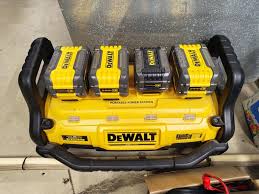
- Brand-specific options like the DeWalt DCB1800B or Milwaukee M18 Carry-On deliver AC power directly from your tool batteries while charging them simultaneously, making them seamless for users already invested in one platform.
- Research suggests LiFePO4 battery stations with 1,000–4,000+ Wh capacity and 600W+ solar input provide the most reliable performance for job sites, though runtime varies with tool draw and weather conditions.
- Evidence leans toward hybrid solar setups for sustainability, as they minimize fuel costs and emissions while supporting extended off-grid work.
Benefits for Users These stations eliminate extension cord hassles on remote sites, reduce downtime from dead batteries, and support full-day operation when sized correctly. They also serve as emergency backup for lights, fans, or small appliances.
Main Types
- All-in-one portable power stations with built-in inverters and solar compatibility.
- Tool-brand power supplies that use DeWalt 20V, Milwaukee M18, or Makita batteries.
- DIY or direct solar adapters for minimal setups.
Top Recommendations For most users, start with a 2,000Wh+ station like the Jackery Explorer 2000 Plus (strong solar input and expandability) or a DeWalt DCB1800B if you own compatible batteries. Always match capacity to your daily tool usage—higher-wattage models handle demanding tools better. Check current models and bundles on manufacturer sites like jackery.com, ecoflow.com, or dewalt.com.
In remote construction sites, off-grid workshops, disaster response, or outdoor maintenance work, access to reliable electricity is often limited. Off-grid electric tool charging stations solve this by providing portable, rechargeable power sources tailored to cordless tools from brands like DeWalt, Milwaukee, Makita, and Ryobi. By 2026, these solutions have matured significantly, blending high-capacity lithium batteries, efficient inverters, solar integration, and brand-specific innovations to deliver near-grid performance without cords or fuel.
This comprehensive guide explores the technology, top options, real-world performance, buying considerations, and practical tips for contractors, fabricators, and serious DIYers. It draws from independent tests, user reports, and manufacturer specifications to help you build or expand an off-grid charging system that keeps your tools running all day.
Understanding Off-Grid Tool Charging Technology
Off-grid stations work by storing energy in large lithium-ion or LiFePO4 batteries and converting it to usable power. Most include pure sine wave inverters for safe operation of sensitive tool chargers, multiple AC outlets, USB ports, and DC outputs. Solar compatibility via MPPT controllers allows daytime recharging, creating a sustainable loop.
Common Configurations
- Portable Power Stations (PPS): Standalone units (e.g., Jackery, EcoFlow, Bluetti, Anker) that accept solar input and provide AC power to plug in standard tool chargers. Capacities range from 300Wh (light use) to 4,000Wh+ (full job-site support).
- Brand Ecosystem Power Supplies: DeWalt DCB1800B uses up to four 20V MAX or FlexVolt batteries to output 1,800W continuous (3,600W surge) AC while charging batteries in parallel. Milwaukee’s M18 Carry-On offers 1,800–3,600W options, and similar Makita units exist. These are ideal if you already own many batteries.
- Direct Solar or Hybrid Setups: Solar panels connect via charge controllers to a battery bank or directly to DC tool chargers (e.g., vehicle-style adapters). DIY enthusiasts often combine panels, MPPT controllers, and inverters for custom scalability.
LiFePO4 batteries dominate premium models due to longer lifespan (3,000+ cycles), better safety, and temperature tolerance compared to older lithium-ion chemistries.
Key Features to Prioritize in 2026
- Capacity and Output: Aim for 1,000–2,000Wh minimum for multiple batteries; 3,000W+ continuous for running tools directly.
- Solar Input: 600–2,400W capability for fast daytime recovery.
- Ports and Expandability: Multiple AC outlets, USB-C PD, and battery expansion ports.
- Runtime and Efficiency: Look for 85%+ usable capacity and low idle draw.
- Portability and Durability: Wheels, handles, IP-rated enclosures, and rugged builds for job sites.
- Safety: Overload protection, pure sine wave output, and BMS (battery management system).
Top Off-Grid Charging Solutions for 2026
Portable Power Stations The Jackery Explorer 2000 Plus stands out for versatility, with 2,042Wh capacity (expandable), 3,000W output, and rapid solar charging up to 1,400W. It efficiently powers tool chargers and supports multi-day remote work.
EcoFlow and Anker SOLIX models (e.g., Delta series or F3800) offer higher outputs (up to 6,000W) and fast charging, making them suitable for larger fleets or running tools directly. Bluetti units provide excellent value with strong solar input and app monitoring.
Brand-Specific Stations
- DeWalt DCB1800B: Runs on four 20V batteries, delivers 1,800W continuous power, and charges batteries simultaneously. Popular for seamless integration on DeWalt-heavy sites; handles table saws and other demanding tools in tests.
- Milwaukee M18 Carry-On: Provides up to 3,600W surge with pure sine wave output, ideal for sensitive electronics alongside tools. The smaller TOP-OFF models add compact USB/AC options.
- Makita and Others: Similar backpack-style or station units leverage LXT or XGT batteries for AC output and charging.
Specialized and DIY Options Adapters like RevoPower or Ecarke inverters convert single tool batteries to AC. Direct solar chargers (DC-DC) bypass inverters for efficiency in simple setups. For full custom systems, combine 100–400W portable solar panels with a charge controller and battery bank.


Comparison Table
| Model/Type | Capacity (Wh) | Output (Continuous/Surge) | Max Solar Input | Weight (approx.) | Best For | Approx. Price Range (2026) |
|---|---|---|---|---|---|---|
| Jackery Explorer 2000 Plus | 2,042 | 3,000W / 6,000W | 1,400W | 40–45 lbs | Versatile off-grid / solar | $1,200–$1,800 |
| EcoFlow Delta Series | 2,000–4,000 | 2,400–4,000W / higher | 1,000–2,600W | 50–100+ lbs | High-demand job sites | $1,500–$3,500 |
| Anker SOLIX F3800 | 3,840 | 6,000W / 12,000W | 2,400W+ | Heavy (wheels) | Large fleets / backup | $2,500–$4,000 |
| DeWalt DCB1800B | Battery-dependent (up to ~1,000+ Wh with 4x high-Ah) | 1,800W / 3,600W | N/A (battery) | 18–25 lbs | DeWalt users / seamless | $300–$600 (tool only) |
| Milwaukee M18 Carry-On | Battery-dependent | 1,800–3,600W | N/A (battery) | 30–40 lbs | Milwaukee ecosystems | $500–$800+ |
| Bluetti / Smaller PPS | 768–2,000 | 1,000–2,400W | 500–1,200W | 20–50 lbs | Budget / portable | $600–$1,500 |
This table illustrates trade-offs: universal PPS offer solar independence, while brand stations maximize existing inventory value.
Real-World Performance and Applications
On job sites, a 2,000Wh station can recharge 8–15+ tool batteries per day (depending on size) or run a circular saw intermittently. Solar panels (200–600W) restore 50–100% capacity in good sunlight. Users report reliable performance for framing crews, remote maintenance, and emergency response, with LiFePO4 models maintaining capacity in heat or cold better.
Pro Tips
- Calculate needs: Estimate daily Wh usage (tool charger draw × hours) and add 20–30% buffer.
- Use pure sine wave inverters for tool chargers to avoid damage.
- Pair with portable folding solar panels for mobility.
- Maintain batteries at 20–80% charge for longevity; store in moderate temperatures.
- For fleets, consider expandable systems or multiple smaller units.
Emerging Trends and Considerations
In 2026, faster charging, app integration for monitoring, and higher solar inputs are standard. Hybrid systems combining tool batteries with universal stations are gaining popularity. Budget-conscious users may start with mid-size PPS and add panels, while pros benefit from ecosystem stations.
Potential drawbacks include initial cost, weight for larger units, and variable solar performance in cloudy conditions. Always verify compatibility with your specific tool chargers.
In summary, off-grid electric tool charging stations—whether universal portable power stations enhanced by solar or dedicated brand solutions—transform remote work by delivering reliable, quiet, and sustainable power. For most industrial or contractor users, investing in a high-capacity solar-compatible station or leveraging your tool brand’s power supply offers the best balance of performance and convenience in 2026.