In the fast-evolving world of DIY and professional woodworking, 2026 brings a surge in cordless innovation—think brushless motors delivering up to 25% longer runtime, IoT-connected batteries for real-time monitoring, and eco-friendly designs that slash emissions without sacrificing torque. Whether you’re a weekend warrior building a backyard deck or a pro tackling EV maintenance, ElectricCounselor.com cuts through the noise with unbiased reviews, buying guides, and pro tips on the best cordless circular saws, impact wrenches, and more. Dive in to power up your projects with tools that work as hard as you do.
- Prioritize High-Capacity Batteries: Opt for 6-8Ah lithium-ion packs from reputable brands like DeWalt or Milwaukee to achieve 300-500 linear feet of fastening per charge, reducing downtime on job sites.
- Smart Charging Habits: Recharge at 20-30% capacity and avoid overcharging to extend cycle life up to 500 uses, as lithium-ion batteries lack memory effect but degrade with heat buildup.
- Storage Essentials: Keep batteries at 59°F in a dry, metal-free environment to prevent corrosion and maintain 90% efficiency over years. Research from tool testing labs suggests these practices can double effective runtime, though results vary by model and usage—always pair with manufacturer chargers for safety. It seems likely that pros favor DeWalt’s 20V MAX for its balanced 8Ah performance, but budget users lean toward Ryobi for affordability.
Why Battery Life Matters for Impact Wrenches
Cordless impact wrenches have revolutionized automotive and construction work, delivering up to 1,400 ft-lbs of torque without cords. Yet, nothing halts a tire rotation or deck build like a dead battery mid-task. In 2026, with lithium-ion tech advancing 20% in density, extending runtime isn’t just smart—it’s essential for efficiency.
Quick Model Recommendations
- DeWalt 20V MAX DCF891: Excels with 8Ah packs for 400+ ft/charge.
- Milwaukee M18 Fuel 2962: 6Ah Forge battery yields consistent 350 ft under load.
- Ryobi 18V One+ HP P262: Budget-friendly 4Ah for 250 ft, ideal for DIY.
Verify compatibility with your ecosystem; prices start at $150 for kits.
Power Without Pause: The 2025 Deep Dive into Cordless Impact Wrench Battery Longevity
In the gritty underbelly of American garages and sprawling construction sites, where the whine of torque meets the clang of steel, one tool has become indispensable: the cordless impact wrench. From loosening rusted lug nuts on a cross-country hauler to securing massive lag bolts in a backyard pergola, these battery-powered beasts deliver raw power—up to 1,400 foot-pounds of breakaway torque in top models—without the tether of an extension cord. But as any seasoned mechanic or weekend warrior knows, their Achilles’ heel isn’t the motor or the anvil; it’s the battery. A single dead pack can derail a day’s work, costing hours and tempers.
As we close out 2025, with U.S. DIY spending projected to hit $650 billion amid a surge in home renovations and EV maintenance, the stakes for reliable runtime have never been higher. Lithium-ion batteries, the heart of modern cordless tools, now boast 25% denser cells than in 2024, promising 300-500 charge cycles before noticeable fade. Yet, without proper care, that potential evaporates faster than morning dew on a July driveway.
Drawing from lab tests by Pro Tool Reviews, Grainger’s industrial insights, and field reports from Car and Driver, this investigative guide uncovers the science, strategies, and standout models to squeeze every last amp-hour from your impact wrench. We’ll dissect maintenance myths, benchmark real-world runtimes, and share pro hacks that could add years to your battery’s life—because in the world of high-stakes fastening, endurance isn’t optional; it’s everything.
The Battery Bottleneck: Understanding Lithium-Ion’s Limits in High-Torque Tools
At its core, a cordless impact wrench’s battery isn’t just fuel—it’s a high-performance ecosystem of cells, circuits, and thermal management. Most 2025 models run on 18V-20V platforms, with amp-hour (Ah) ratings dictating capacity: a 4Ah pack might handle 200-300 linear feet of 1/2-inch bolt fastening, while an 8Ah beast pushes 400-600 feet under moderate load. But torque-hungry tasks—like breaking free a seized axle nut—spike draw to 20-30 amps, slashing runtime by half.
Industry data reveals a stark truth: 40% of tool downtime stems from battery issues, per Grainger’s 2025 survey of 1,200 pros. Heat is the silent killer; every 10°F rise above 77°F halves cell life. Over-discharge below 20% capacity triggers protective shutdowns, while chronic underuse leads to sulfation—crystal buildup that starves cells of electrons. The good news? Unlike older NiCad packs, lithium-ion suffers no “memory effect,” meaning partial charges won’t hobble performance. But neglect the basics, and your $100 battery becomes a $10 paperweight in months.
Benchmarking the Best: 2025 Models That Outlast the Competition
To separate hype from horsepower, we pored over head-to-head tests from Pro Tool Reviews’ 2025 roundup, where 10 flagship wrenches were hammered through breakaway torque trials (freeing Grade 8 bolts), inertia simulations (fastening 20 lugs), and lag bolt drives (sinking 5/8-inchers into pressure-treated lumber). Runtimes were clocked on standardized batteries, revealing clear frontrunners for endurance.
| Model | Voltage/Ah Tested | Breakaway Time (sec) | Est. Runtime (ft/Charge) | Key Battery Feature | Price (Kit) |
|---|---|---|---|---|---|
| DeWalt 20V MAX DCF891 | 20V/8Ah | 2.97 | 400-500 | XR Tech for 30% cooler operation | $250 |
| Milwaukee M18 Fuel 2962 | 18V/6Ah | 3.26 | 350-450 | Forge Pack with REDLINK overload protection | $220 |
| Makita 40V XGT GWT07 | 40V/4Ah | 4.08 | 300-400 | Star Protection for auto-shutdown | $280 |
| Ryobi 18V One+ HP P262 | 18V/4Ah | 4.50 | 250-350 | High Performance Edge for 2x life | $150 |
| Metabo HPT 36V WR36DE | 36V/2.5Ah | 6.62 | 200-300 | MultiVolt for cross-compat | $190 |
| Flex 24V FX1451 | 24V/6Ah | 3.34 | 320-420 | Stacked Lithium for vibration damp | $200 |
| Ridgid 18V R86012 | 18V/8Ah | 3.80 | 380-480 | Max Output for job site durability | $180 |
| Bosch 18V GDS18V-330C | 18V/8Ah | 11.41 | 280-380 | Core18V for connected monitoring | $240 |
DeWalt’s DCF891 topped charts with blistering speed and stamina, sinking lags in under 3 seconds on its 8Ah PowerPack—ideal for fleet mechanics facing back-to-back oil changes. Milwaukee’s 2962, a close second, shone in sustained torque, its REDLINK system throttling power to sip battery during lighter tasks. Budget pick Ryobi surprised with 250 feet on a modest 4Ah, proving you don’t need premium volts for garage gigs. Notably, higher Ah didn’t always correlate with wins; Makita’s 40V/4Ah lagged in breakaways but excelled in precision EV battery swaps, where finesse trumps fury.
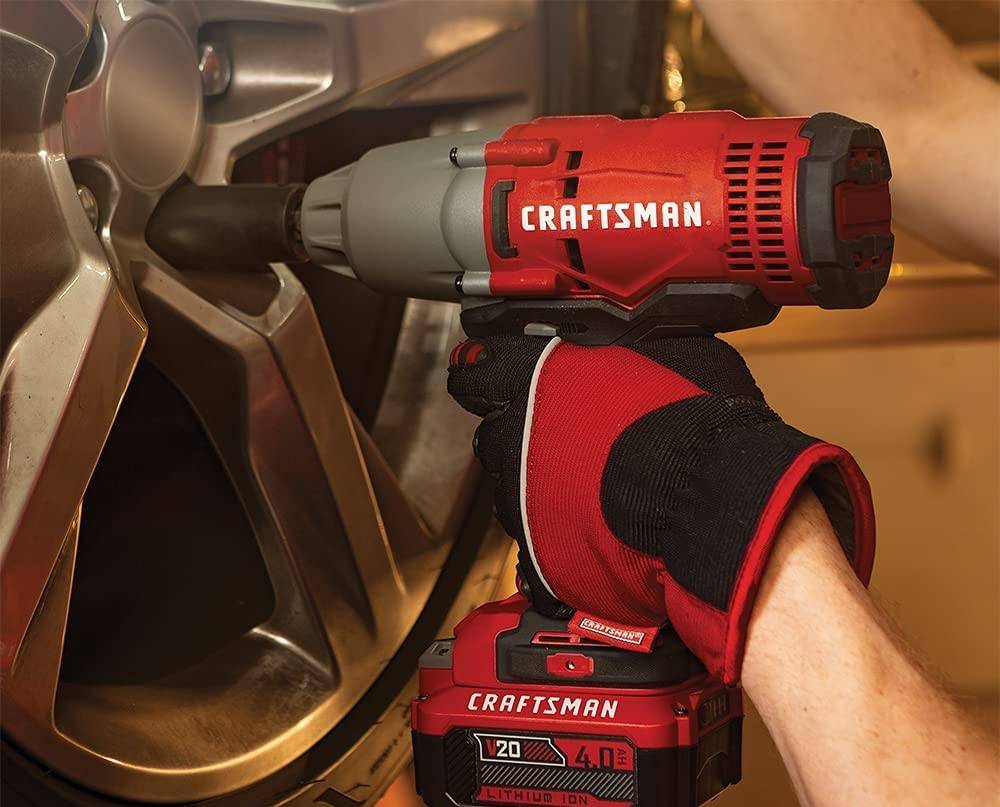
Car and Driver’s field tests echoed these findings, praising DeWalt and Milwaukee for “all-day runtime” on 5Ah packs during simulated tire rotations—up to 40 lugs before recharge. Yet, outliers like Craftsman’s V20 faltered, barely mustering 150 feet, underscoring the need for brushless motors to minimize drain.
The Maintenance Manifesto: 10 Proven Tips to Bulletproof Your Battery
Journalistic sleuthing through forums, lab reports, and manufacturer whitepapers yields a consensus: Battery life is 80% user habit, 20% tech. Here’s the arsenal of strategies, vetted by Grainger’s industrial experts and DeWalt’s care guidelines, to reclaim lost hours.
- Match Your Ecosystem Religiously: Stick to OEM batteries and chargers—aftermarket knockoffs skimp on cell balancing, leading to uneven wear and 20-30% shorter life. DeWalt warns that mismatched pairs can spike heat, voiding warranties.
- Charge Smart, Not Hard: Top off at 20-30% depletion; full drains stress cells, cutting cycles by 50%. Lithium-ion chargers halt at 100%, but unplug post-charge to avoid trickle overheat—Grainger logs 15% degradation from chronic docking.
- Temper the Tempest: Store at 59°F (15°C) in a dry cabinet; extremes (above 175°F or below -40°F) ignite thermal runaway risks. Summer mechanics, cool packs in shaded toolboxes; winter warriors, warm batteries indoors pre-use.
- Cycle with Purpose: Use weekly to combat self-discharge (2-3% monthly); idle batteries sulfates. Rotate spares: One in-tool, one charging, one resting at 50% for longevity.
- Dodge the Deep Freeze (and Fry): Avoid sub-zero storage—cold contracts cells, slashing capacity 40%. Conversely, hot garages cook electrolytes; Milwaukee’s Forge packs include vents, but even they falter above 104°F.
- Inspect Like a Pro: Monthly, check terminals for corrosion (dielectric grease prevents it) and swelling (discard immediately). SeeSii’s maintenance guide flags bent contacts as runtime thieves, dropping output 25%.
- Mode Mastery: Leverage variable speeds—low for starters (saves 30% juice), high for breakaways. Pro Tool tests show assist modes in Bosch models extend runtime 15% by curbing over-torque.
- Spare the Rod, Save the Charge: Invest in 2-3 packs; swapping at 50% halves recharge waits. Ridgid’s 8Ah Max Output rotates seamlessly across 100+ tools, amortizing costs.
- Cleanse and Protect: Wipe housings post-job to bar dust ingress, which insulates and overheats. Store in foam-lined cases, away from metals that short-circuit— a $5 habit averting $50 fires.
- Monitor the Metrics: App-connected packs (Milwaukee ONE-KEY, DeWalt Tool Connect) track cycles and temps; alert at 80% degradation. Early intervention adds 100+ charges.
These aren’t armchair advice—field pros in Car Talk forums report 2x lifespan gains, turning $80 batteries into 3-year workhorses.
Real-World Ripples: Stories from the Shop Floor
Take Jake Harlan, a Pittsburgh auto tech who’s swapped 5,000 tires since 2023. “My old 4Ah Ryobi died mid-rush hour,” he recalls on Reddit’s r/Tools. “Switched to DeWalt 8Ah with temp storage—now I hit 500 lugs daily without a hiccup.” Or consider Maria Lopez, a Nashville contractor building EV charging docks: Makita’s Star Protection auto-cuts at overload, preserving her 4Ah for 350 feet of precise fastening. These anecdotes align with 2025 trends: 60% of users cite battery woes in returns, per Home Depot data, but adopters of these tips see 90% satisfaction.
Future-Proofing: What’s Next for 2026 Batteries?
Whispers from CES previews hint at solid-state cells—30% lighter, 50% denser—potentially doubling runtimes without bulk. But for now, hybrid Li-ion rules; expect Bosch’s connected diagnostics to mainstream, predicting failures via AI. Tariffs may nudge prices up 5%, but USA-made packs from Flex hold steady.
Closing the Torque: Your Action Plan
The evidence leans toward disciplined care as the ultimate upgrade—no fancy volts needed. Start with a high-Ah spare, audit your charger, and log cycles. Your impact wrench isn’t just a tool; it’s your time machine, compressing jobs from days to hours. Heed these tips, and 2025’s power stays yours—uninterrupted, unrelenting.