By 2026, the definition of a “smart home” has shifted from voice-controlled lights to autonomous energy orchestration. With the maturation of V2H (Vehicle-to-Home) technology and the first wave of consumer-grade solid-state batteries, your home is no longer just a consumer of electricity—it is a private utility plant.
For the modern homeowner in the USA, the goal for 2026 is Energy Sovereignty. This guide breaks down the three pillars of the 2026 electric lifestyle: Bidirectional Mobility, AI-managed Load Shifting, and the rise of the Residential Microgrid.
1. V2H: Turning Your Driveway into a 100kWh Backup Generator
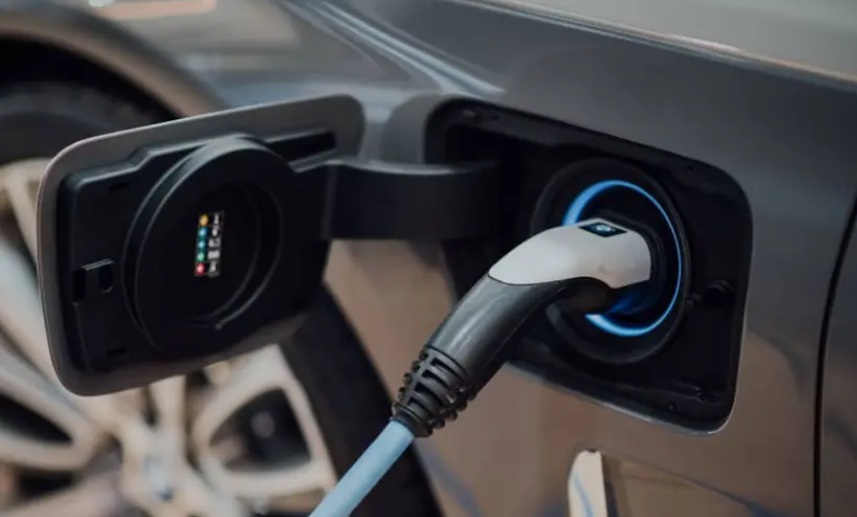
What is V2H? Vehicle-to-Home (V2H) technology allows your electric vehicle to power your entire house during peak hours or blackouts. By 2026, bidirectional charging has become a standard feature in 80% of new EVs sold in the US, effectively replacing expensive stationary wall batteries.
Why It Matters Now
Previously, an EV was just a car. In 2026, a standard EV like the Ford F-150 Lightning or the newest Tesla models provides enough energy to run a typical American household for 3 to 5 days.
- The Financial Win: Use “Peak Shaving” to power your home from your car when grid prices are highest (4 PM – 9 PM) and recharge the car at 2 AM when rates are bottomed out.
- The Resilience Factor: As extreme weather impacts US power grids, V2H provides a seamless transition to “Off-Grid” mode without the noise or fuel of a gas generator.
2. The Rise of the AI-Smart Breaker Box
The “dumb” electrical panel is officially a relic of the past. In 2026, AI-integrated smart panels (like the evolved versions of Span or Schneider Pulse) act as the “brain” of your home’s nervous system.
Autonomous Load Shifting
Instead of you manually turning off the AC, your smart panel uses Agentic AI to:
- Analyze Weather Patterns: If a heatwave is predicted in Los Angeles or Dallas, the AI pre-cools your home at 10 AM using solar surplus.
- Prioritize Essentials: If grid power fails, the AI automatically cuts power to the pool heater and guest wing while keeping the fridge, Wi-Fi, and medical devices running.
- Real-Time Arbitrage: It sells your excess solar or battery power back to the grid exactly when the “Spot Price” is at its daily maximum.
3. Solid-State Storage: The End of Lithium-Ion Anxiety?
While Lithium Iron Phosphate (LFP) remains the budget choice, 2026 marks the entry of Solid-State Home Batteries. These units offer 40% more density in half the size, with zero risk of “thermal runaway” (fires).
For US homeowners in high-density areas or fire-prone states like California and Colorado, solid-state is the gold standard for safety. These units last 15–20 years, making them a “install-and-forget” asset that adds significant resale value to your property.
4. How to Retrofit for 2026: A Journalist’s Checklist
If you are planning a renovation or a new build, do not look at 2024 standards. To be “2026 Ready,” you need:
- Copper Upgrading: Ensure your garage is wired for at least 80-amp service to handle ultra-fast bidirectional charging.
- NACS Standardization: The North American Charging Standard is now the universal port. Don’t waste money on adapters; install native NACS hardware.
- Heat Pump Hybridization: If you’re still on gas heating, the 2026 tax credits for high-efficiency heat pumps make the switch a net-zero cost investment over 3 years.
The Verdict
The “Electric Counselor” perspective is clear: 2026 isn’t about “saving the planet” through sacrifice—it’s about dominating your utility bill through technology. By treating your home and car as a unified energy ecosystem, you gain a level of security and financial freedom that was impossible just five years ago.